
If you have been fishing a familiar reef and noticing fewer strikes, fewer bait schools, and an overall “quiet” ecosystem, you are not imagining things. Reefs across Florida, the Caribbean, and the Gulf have been experiencing massive ecological shifts. A reef that stops producing fish is almost always a reef under stress. Unfortunately, this is a common occurrence in recent history.
This post breaks down why reefs die, why fish vanish, and how reef systems support entire food webs. Since this is Fishing With Data, we also weave in the science and chemistry driving many of these changes.
So if you are asking yourself, “why is this reef not producing fish?”, hopefully this post can give you some insight on the reasons for it.
What Makes a Reef Stop Producing Fish?
A reef becomes “dead” or unproductive when the ecosystem loses its structure or food sources. Often times, this comes with the reef actually dying. Remember, coral is a living creature.
Some of the biggest drivers include:
1. Coral Bleaching and Heat Stress

I mean this in the nicest way, but it is going to sound bad. Coral reefs are not resilient creatures when it comes to changes. They will easily die if water changes even slightly…or if there isn’t enough current. There are many factors that lead to coral death and stress is a big one.
Corals depend on symbiotic algae called zooxanthellae for energy. When water temperatures spike, corals expel these algae, turning white. The algae is essential for the survival of the coral.
Bleached corals = weak corals = eventually dead corals. Google coral bleaching to see examples .
Dead corals lose complexity, and fish lose shelter, feeding zones, and spawning areas.
2. Ocean Acidification
This is one of the most significant chemical threats.
The basic reaction driving acidification is:
CO₂ + H₂O ⇌ H₂CO₃ ⇌ H⁺ + HCO₃⁻
More CO₂ → more carbonic acid (H₂CO₃) → lower pH → weaker coral skeletons.
Acidified oceans reduce calcification rates, making corals brittle and easier to erode.
Some of you may not be specialized in chemistry, so I will explain what is going on. Carbon dioxide in the atmosphere will go into the ocean. The ocean is a carbon dioxide sink and traps the molecule. When carbon dioxide reacts with water, it creates carbonic acid. Carbonic acid reduces the pH of the ocean and kills the coral.
3. Overfishing and Predator Removal

Removing key species disrupts the reef food web. For example:
- Fewer grazing fish → algae overgrowth smothering coral.
- Removing predators (like mutton snapper or grouper) alters forage fish behavior and population dynamics. This could cause an increase on fish that potentially cause damage to the coral.
4. Poor Water Quality
Sediment, nutrient runoff, sewage discharges, and pollutants all reduce sunlight penetration and encourage algal blooms.
This suffocates coral and drives baitfish away, which then drives predators away. For anglers, this often looks like a fast-declining spot.
This is one of the reasons why the coast of Florida, near Stuart, has a difficult time with growing coral. The lock systems for Lake Okeechobee would release a ton of fresh water out into the Atlantic. This change in water destroyed that ecosystem.
5. Disease Outbreaks
Stony Coral Tissue Loss Disease (SCTLD) is devastating Florida reefs at an unprecedented scale. Once disease takes hold, structural collapse follows.
This is why coral monitoring is very important.
Why Reefs Are So Important (Especially for Fishing)
Reefs aren’t just pretty underwater scenery, they’re biodiversity engines. They drive the ecosystem.
For anglers, reefs function as:
1. Fish (other other species) Nurseries

Juvenile fish hide within coral branches, avoiding predators during their most vulnerable life stages. Corals help to provide safe locations for these fish as well as food so they get big and strong.
2. Feeding Zones
Reefs attract:
- Shrimp
- Crabs
- Baitfish (pilchards, ballyhoo, cigar minnows)
- Small reef fish
Predators like snapper, grouper, tarpon, and barracuda rely on this constant food supply. Without a food source, the larger predators will move elsewhere. Remember, where there’s food, there are fish. No food = no fish.
3. Habitat Structure
Complex structure = ambush points, shade, spawning sites, and turf for nearly every species you target while fishing offshore.
When reefs degrade, the habitat flattens, algae takes over, and the entire food web collapses from the bottom up.
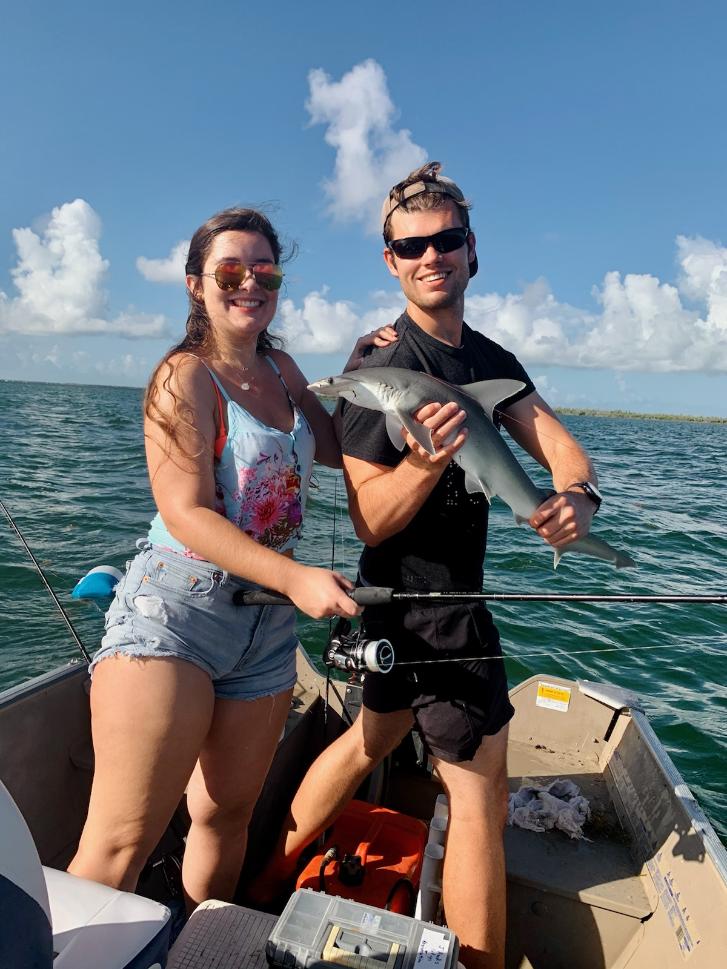
Structure brings in bait and very large fish. Flat areas may have a few fish, but there aren’t any hiding places for an abundance of species. You just get sharks…
What Happens When a Reef Dies?
When a reef crosses the threshold from stressed to dead, the impacts are dramatic:
1. Fish Populations Crash
Without food and shelter, fish move or die. Anglers notice:
- No bait clouds
- Fewer predators
- Less reef noise (no crackling shrimp)
2. Algae Dominates
Algae overtakes dead coral within weeks to months. This blocks coral regrowth and traps sediments.
3. Loss of Biodiversity
Shrimp, crab, octopus, sponges, and urchins decline. Once these disappear, predators will not stay.
4. Food Web Collapse
As each component disappears:
- Fewer baitfish
- Fewer snappers and groupers
- Larger pelagics stop visiting the area
You essentially turn a once productive reef into a low biodiversity hardbottom. You may just end up with a ton of sharks, if anything.
5. Erosion and Storm Vulnerability
Reefs buffer coastlines. When they die, waves hit shorelines harder, impacting beaches, seagrasses, and mangroves. The coral systems help to prevent beach erosion.
Hurricanes will cause extreme erosion around coastal areas.
How This Shows Up for You as an Angler
If you’ve been seeing:
- Fewer bites
- Bait schools moving 100–300 yards away from prior spots
- Less structure on the sonar
- More algae on rocks (if diving or snorkeling)
- Clear “quiet zones” with low fish activity
You’re observing a changing or dying reef.
A reef can die quietly.
A Data-Driven Approach to Understanding “Dead” Reefs
As someone who cares about both science and fishing, here are measurable variables that can help you track reef health:
- Temperature anomalies
- pH trends
- Turbidity / visibility-Clarity of the water
- Algal cover estimates from your GoPro or dive logs
- Baitfish density on sonar
- Presence of key indicator species (grunts, wrasse, damselfish)
Fishing truly improves when you understand the ecosystem beneath you
Please help save the coral reefs.


Leave a Reply