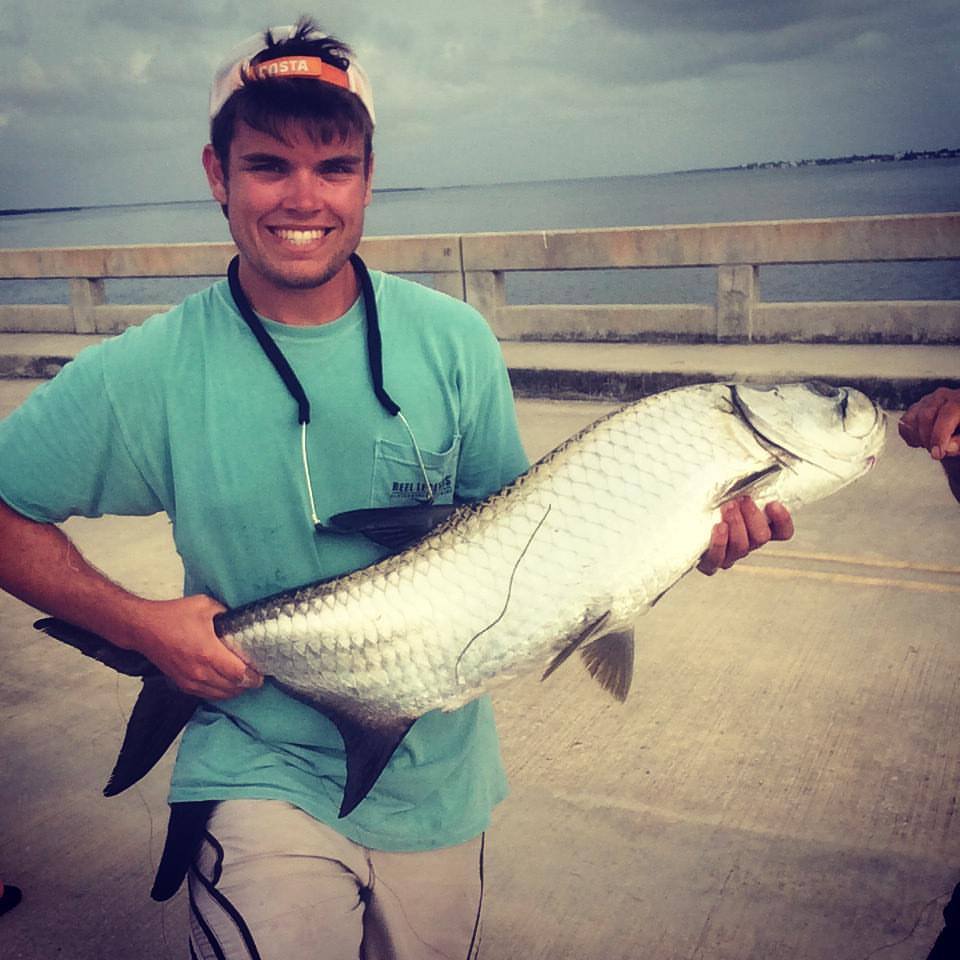
Tarpon are one of the most sought after gamefish in South Florida and the Florida Keys. They are powerful, unpredictable, and capable of long runs and explosive jumps that make every hookup memorable. If you want to consistently find and catch tarpon, timing matters more than almost anything else. While tarpon are present year round, their behavior, abundance, and accessibility change significantly by month. Understanding these seasonal patterns can dramatically improve your success on the water and potentially score you the prized “SILVER KING”.

Understanding Tarpon Seasonality
Tarpon in South Florida generally fall into two groups. Resident fish stay in canals, bays, rivers, and backcountry areas year round (think Robbie’s in the Keys). These are often smaller but still aggressive and fun to catch. Migratory fish are the giants most anglers are chasing. These fish move through South Florida and the Keys following bait, water temperature, and spawning instincts. Knowing when migratory fish arrive is the key to hitting peak season. You’ll know when they are around just by staring at the water and seeing them roll and crash baits.
January to February Slow but Possible
Winter is the toughest time of year to target tarpon, but it is far from impossible. Cooler water temperatures slow tarpon metabolism, making them less aggressive and more selective. Most fish will be holding in deeper, warmer water such as canals, marinas, basins, and power plant outflows. I honestly have found many of the tarpon during this time in marinas, especially in February when the shrimp run is going on.
If you are fishing during this period, focus on the warmest parts of the day and present baits slowly. Smaller live baits or subtle artificial presentations tend to work best. This is more of a grind, but you can still find success if you stay patient.
Also, live shrimp is a great bait to use during this time, especially around bridges and marinas.
March to April Pre Spawn and Improving
As water temperatures rise, tarpon activity begins to increase. This is when the early signs of the migration start to show, and boy will it show. You will see more rolling fish, especially in channels and along the edges of flats. Resident tarpon also become more aggressive and easier to target. April is a great month to start targetting the tarpon in the keys.
This is a great time to start dialing in locations and patterns before peak season. Live bait such as mullet or crabs can be effective, and anglers fishing bridges and passes often start to see more consistent bites. If you are in the Keys, check out fishing Bahia Honda Bridge. It’s a deep channel that is notorious for some amazing tarpon action.

May The Bite Turns On
May is when tarpon fishing truly comes alive in South Florida and the Keys. Large migratory schools arrive, and fish become much more visible and active. You will see tarpon laid up on flats, cruising beaches, and stacked in channels and passes. If you happen to be on the west coast of Florida, Boca Grande Pass is the tarpon hotspot during these migratory patterns. Just watch for sharks.
Sight fishing opportunities increase dramatically, especially on calm mornings. Live crabs, mullet, and threadfin herring are top choices, but well presented artificial lures can also produce. If you are planning a tarpon trip, May is one of the best months to do it.
June Peak Tarpon Season
June is widely considered the best month for tarpon fishing in South Florida and the Keys. The migration is in full swing, and tarpon are abundant across a wide range of habitats. Beaches, backcountry waters, bridges, and channels can all hold large numbers of fish. They can be found in large and small schools practically everywhere.
Conditions are generally more stable, which makes it easier to plan successful trips. Early mornings and evenings are often most productive, but strong tides and bait movement can trigger bites throughout the day. If you want the highest odds of hooking a tarpon, June is hard to beat. I would suggest aiming for early morning to late afternoon as it tends to be less hot. You can catch them during the day, but consider battling a 100 lbs fish in 90 degree weather.

July Still Strong but Adjust Required
July continues to offer excellent tarpon fishing, but conditions begin to shift. Water temperatures are at their warmest, and afternoon thunderstorms become more common. Tarpon are still present in good numbers, but they often feed more actively during low light periods or at night. You can still get them during the mornings and evenings, but night time is great because they are still active and it’s not as hot.
Night fishing around bridges becomes especially effective during this time. During the day, focus on areas with strong current or moving water. While slightly less consistent than June, July still provides great opportunities if you adapt your approach. I would suggest bringing a lamp if considering fishing at night.
August More Challenging but Fish Still Around
By August, the peak of the migration has passed, but plenty of tarpon remain. Some fish begin to move out, while others stay in deeper channels, passes, and backcountry areas. Heat and weather can make fishing more difficult, and fish may become more selective
Early morning and nighttime fishing are often the best options. Look for areas with strong water flow and good bait presence. You may need to work harder for bites, but quality fish are still available
September Gradual Decline
September marks the beginning of the transition out of peak tarpon season. You can still catch fish, especially early in the month, but overall numbers decrease. Many migratory tarpon have moved on, leaving behind resident populations
Fishing can still be productive in channels, backcountry areas, and around structure. Conditions begin to stabilize slightly as summer heat starts to ease, which can improve fishing windows. During this time, I would suggest maybe fishing for other species like snapper, grouper, snook, and redfish. Tarpon may be an added plus if you hook and catch one during this time.
October to November Underrated Opportunities
These months are often overlooked, but they can still offer solid tarpon fishing. Resident fish remain in the system, and bait movements like mullet runs can trigger short periods of strong feeding activity. Aim to fish for tarpon around the mullet run during this time.
There are fewer anglers on the water, which can be a major advantage. If you are willing to spend time locating fish, you can still have excellent days during this period.
December Back to Winter Patterns
December brings tarpon fishing back to a winter pattern. Fish are still present but less active and more concentrated in warm water areas. Canals, marinas, and deeper basins become key locations once again.
Success during this time depends heavily on weather conditions and timing. Focus on warmer days and slower presentations to increase your chances. Honestly, fishing for tarpon during this time is not advisable. I’d suggest focusing on other species.
Best Overall Months
If your goal is to maximize your chances of catching tarpon, the best window is from May through July, with June standing out as the peak month. During this period, migratory tarpon are abundant, active, and accessible across many different environments.

That said, tarpon fishing in South Florida and the Keys is a year round opportunity. By adjusting your approach based on the season and focusing on key variables like water temperature, tides, and bait, you can find success no matter the time of year, Just make sure to bring the right equipment and plenty of sunblock!


Leave a Reply