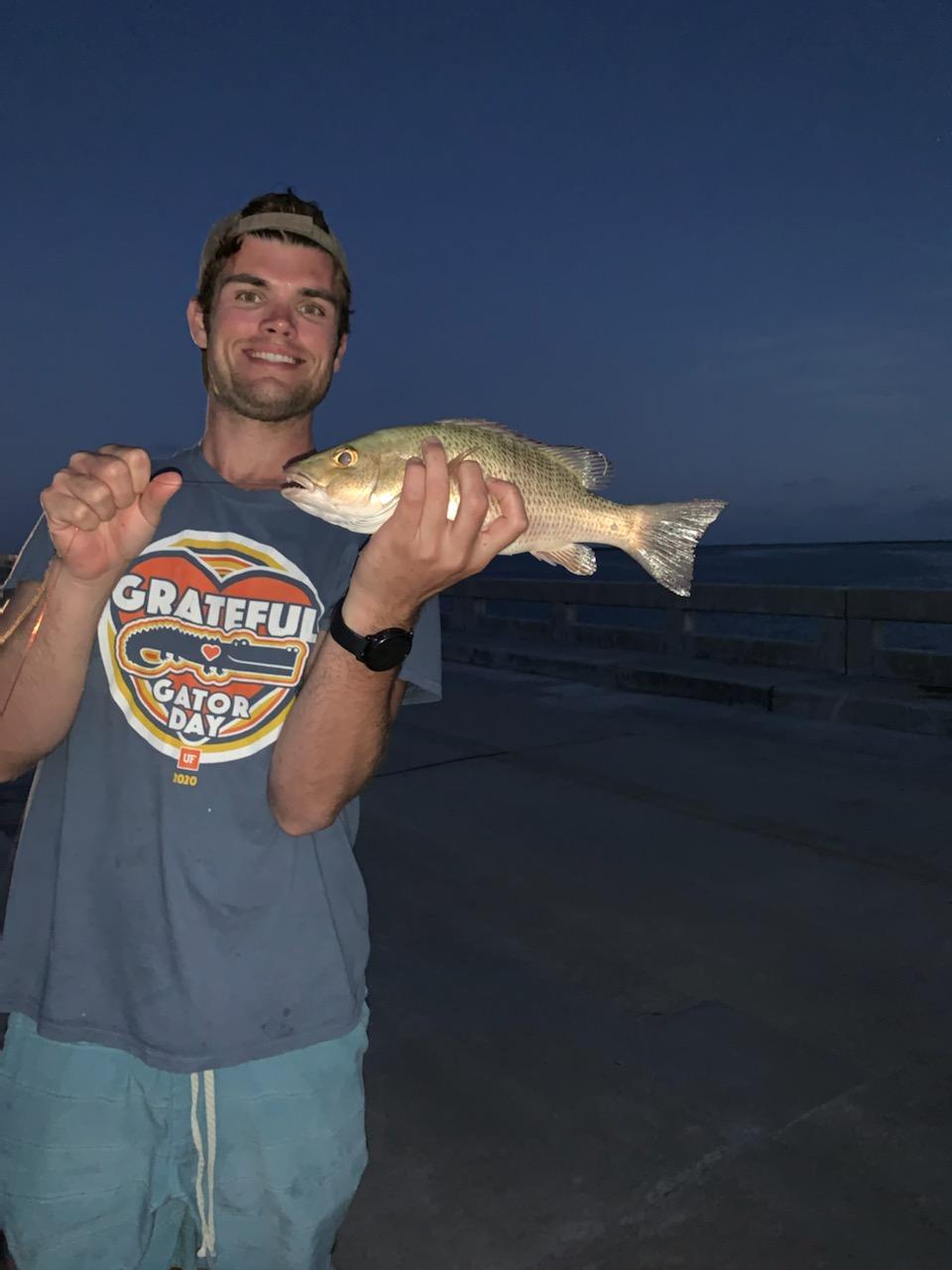
I wanted to write this post because I went to Islamorada this weekend and spent quite a decent amount of time staring at the mangrove snapper below the dock at the restaurant I was at. Every time I go down to the Keys, I see a shift in the number of mangroves that hang around the docks. They are seemingly always there, but I wanted to look into when they were most active during the year, and when the best time to fish for them would be. I want to focus on catching mangrove snapper in South Florida and the Florida Keys.
Some times of year, you’ll struggle to scratch out a few keepers. Other times, especially in summer, it can feel like every drop produces a bite.
This guide breaks down exactly when mangrove snapper fishing is best in South Florida and the Florida Keys, why those windows matter, and how to take advantage of each season like someone who’s been doing it for years.
Understanding Mangrove Snapper Seasonality
Mangrove snapper can be caught year round across Florida, both inshore and offshore.
But the real key is understanding what drives their behavior:
- Water temperature
- Spawning cycles
- Bait availability
- Structure and migration patterns
One of the biggest factors is temperature. Warmer water means more feeding activity and more aggressive fish, also……bait. That’s why the best fishing consistently lines up with late spring through early fall.
The Absolute Best Time: Late Spring Through Summer (May to September) If you’re looking for a simple answer, this is it.
May through September is peak mangrove snapper season in South Florida and the Keys.
And within that window, June through August is the absolute peak.

Why Summer Is So Good
1. Spawning Activity
Mangrove snapper spawn from roughly June through September, gathering in large numbers on reefs and structure. My best fishing days for snapper have been right around the end of July, into August.
When fish spawn, three things happen:
- They school up
- They feed aggressively
- Bigger fish become easier to target
That’s why summer is when you catch your best quality and biggest fish.

2. Migration to the Reef
In late May and early June, snapper move from bays and mangroves out toward offshore reefs to spawn.
That migration creates predictable patterns:
- Bridges and passes load up first (see above picture)
- Then reefs and wrecks become loaded with fish
3. Warm Water = Aggressive Feeding
Snapper are far more active in warmer temperatures, especially in the 70–80°F range.
This leads to:
- Faster bites
- Less picky fish
- Better daytime action
- Aggressive behavior….like piranhas
Best Summer Months Breakdown
May
- Start of the run
- Fish begin staging and moving
- Great mix of numbers and size
June
- One of the best months of the year
- Full moon periods can trigger insane bites
- Big fish show up consistently
July
- Peak spawning
- Largest fish of the year on reefs
- Night fishing becomes elite
August
- Still excellent fishing
- Slight drop in size, but numbers stay high
- Backcountry bite stays strong

Fall Transition: September to November
Fall is underrated for mangrove snapper. They are still around, but people often overlook them for other fish.
While it’s technically past peak spawning, September can still fish very well, especially early in the month when the spawn is wrapping up.
What Changes in the Fall
- Fish begin spreading out again
- Less concentrated than summer
- Still feeding heavily before winter
Pros
- Less fishing pressure.
- Good water clarity
- Consistent bites on structure. Aim for fishing around docks and pilings
Cons
- Harder to locate large schools since they are schooling like before.
- Slight drop in average size. The big boys are harder to find
If you know your spots, fall can still be extremely productive, especially:
- Bridge fishing at night
- Patch reefs in the Keys
- Dock lights in South Florida
Winter Fishing: December to February
Winter is where things get interesting.
Mangrove snapper don’t disappear, but they slow down significantly due to cold fronts and chillier water temps.
You can still catch them, but it becomes more of a technical game.
What to Expect
- Fish are less aggressive
- Smaller schools
- More finicky behavior
But here’s the upside:
Snapper are still available in winter, especially in South Florida and the Keys where water temperatures stay relatively mild. As long as a major cold front doesn’t come through, you should still be able to catch them.
Best Winter Strategies
- Fish slower and more finesse
- Use lighter leader
- Target structure with current
- Use shrimp or cut bait
Best locations:
- Deep bridges
- Channel edges
- Residential dock lights
Winter is not about numbers. It’s about precision.
Early Spring: March to April
Spring is the ramp up.
Fish are coming out of winter patterns and starting to feed more consistently.
What Makes Spring Unique
- Water temperatures begin rising
- Fish transition from winter holding areas
- Pre-spawn feeding begins
Fishing improves steadily as you move into April.
Why It’s Worth Fishing
- Less pressure than summer
- Improving bite each week
- Good time to scout spots before peak season
Think of spring as the warm up before the main event.
Best Time of Day (Year Round Advantage)

Regardless of season, timing your trips during the day is just as important as choosing the right month.
Top Feeding Windows
- Early morning
- Late afternoon
- Night
Mangrove snapper especially love low light conditions, which is why night fishing is so effective.
In fact, many anglers consider night trips one of the best ways to catch them consistently, especially in summer.
The Role of Tides and Moon Phases
So let’s talk a bit about tides and moon phases because you will read a lot about mangrove snapper fishing during the full moon.
Tides
Incoming tides tend to be best because they push bait into structure, making snapper easier to target.
Moon Phases
- Full moon and new moon often trigger stronger feeding. More light and more food available
- Spawning activity often aligns with moon cycles
This is especially important in summer when spawning peaks.
South Florida vs Florida Keys: Any Differences?
The patterns are nearly identical, but there are a few key differences.
South Florida (Miami, Broward, Palm Beach)
- More structure like bridges and docks
- Strong night bite
- Urban fishing opportunities
Florida Keys
- More reef and patch reef fishing
- Heavy reliance on chumming
- Larger average fish during spawn
Both areas shine in summer, but the Keys tend to produce bigger fish during peak spawn due to offshore reef systems.
Month by Month Quick Cheat Sheet
Here’s a simple breakdown you can actually use:
| Season Period | Description |
|---|---|
| January–February | Slow but possible |
| March–April | Improving, pre-spawn |
| May | Bite turns on |
| June–August | Peak season (best of the year) |
| September | Still strong early |
| October–November | Declining but steady |
| December | Slower but fishable |
Final Thoughts: When Should You Go?
If you want the best possible fishing experience:
- Go between June and August
- Fish early morning or at night
- Target structure with current
That combination gives you the highest chance of:
- Bigger fish
- More bites
- Consistent action
But here’s the truth, especially if you live in South Florida like you do:
You don’t have to wait for “perfect” conditions.
Mangrove snapper are one of the few species you can target any time of year, and if you understand the seasonal patterns, you can catch them consistently month after month.


Leave a Reply