Most anglers have strong opinions about lure size. Does the size of the lure even matter? Some believe that bigger lures automatically catch bigger fish. Others believe that smaller lures consistently catch more. Honestly, the answer really is a bit more complicated
This post breaks down the patterns that consistently show up in real numbers.
Small Lures and Large Lures

Across freshwater and saltwater data, one consistent trend appears.
Small lures produce the most bites.
However, large lures produce fewer bites but larger fish on average.
Why small lures get more bites
- They match the size of most forage fish, both in saltwater and freshwater.
- They look natural in clear water.
- They require less effort from the fish to attack.
- Pressured fish respond better to subtle presentations.
Why large lures catch bigger fish
- They mimic high calorie prey. Think about Marlin going after large bait.
- They trigger predatory aggression in mature fish.
- They stand out in stained water or low light.
- Smaller fish simply cannot eat them.
Strike Probability and Lure Size
The per cast strike probability follows a predictable pattern.
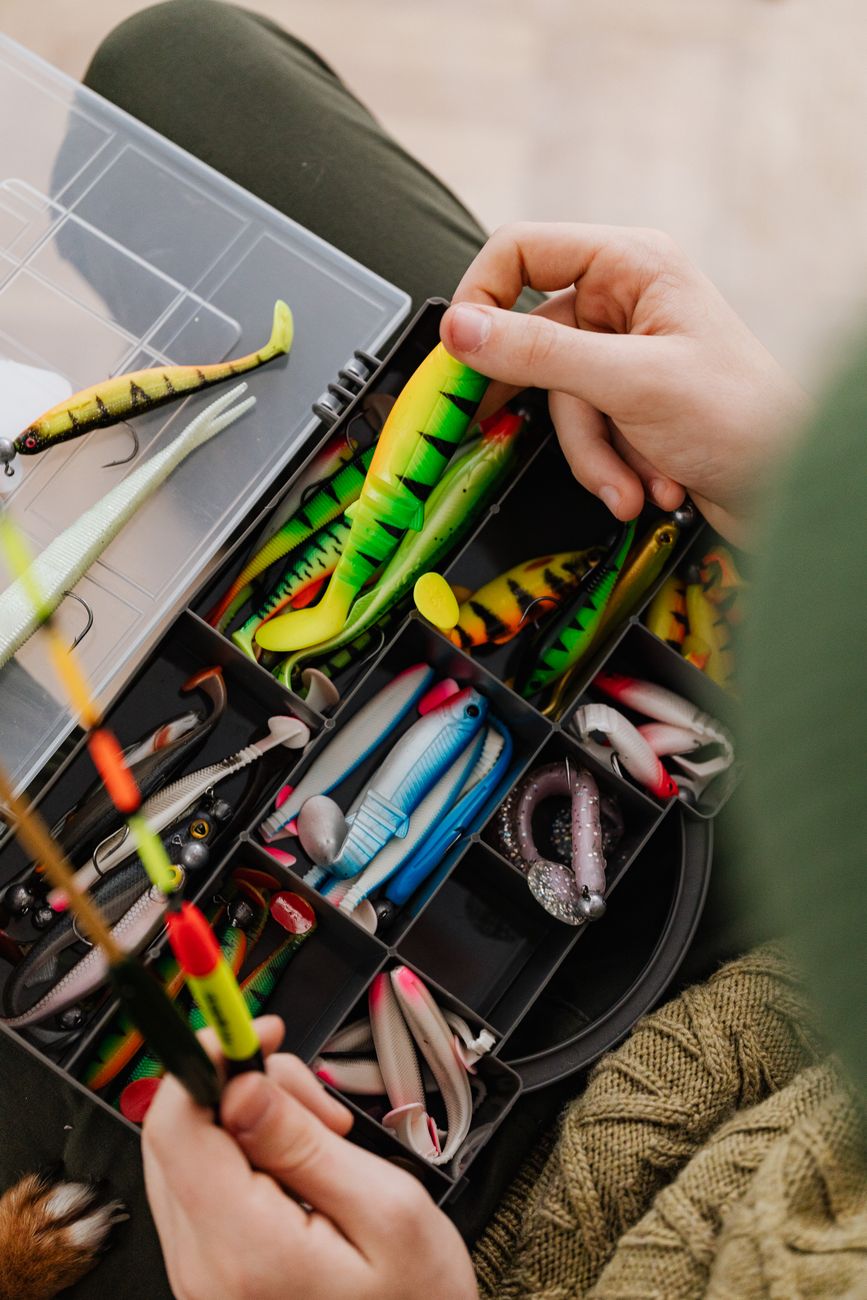
Small lures from 1.5″ to 3.5″
Highest bite count across nearly all species. Smaller bait fish and crustaceans are around this length, such as mullet and shrimp.
Medium lures from 3.5″ to 5″
Best combination of total bites and quality fish. Mimic larger mullet, menhaden, squids, and large shrimp that big fish love.
Large lures from 5″ to 8+”
Lowest bite frequency but highest average size. Think of large tuna and marlin. There are few of them, but they are big and will devour the bait, if around.
This is why many high performing anglers rely heavily on medium sized baits. They produce consistent action without sacrificing size. But don’t solely focus on this size. Maybe try a few sizes to see what’s out there. Just make sure to have the right tackle size incase you hook a monster.
Species Patterns
Bass
2.5″ to 4″ soft plastics generate the most bites.
5″ to 6″ swimbaits tend to produce bigger fish. Same with worm lengths
Redfish and Snook
3″ to 4″ paddletails produce steady action.
5″ and larger profiles often attract oversized fish and reduce the small ones. However, if there are very few of the larger fish around, you may not get as many fish.
Sea Trout
Smaller lures dominate except in dirty water, during night fishing, or when baitfish are notably large.
Under lights, larger suspending lures can outperform smaller ones.
2″ to 3″ shrimp that glow in the dark are game changers with trout.
Water Conditions and Lure Size Choice
Clear water usually favors smaller lures because fish inspect baits more closely.
Dirty water usually favors larger lures because bigger profiles are easier for fish to track.
Cold water favors smaller and slower lures because fish conserve energy.
Warm water favors medium to large lures because predatory fish chase more often.
Hook Up Ratios
Small lures create the highest hook up rates. The fish are able to fully engulf the lures.
Medium lures produce stable and reliable hookups.
Large lures attract interest but often get short struck before fish fully commit. You need to be patient sometimes with larger bait.
So Does Size Matter?
Of course size matter.
But the best choice depends on your goal.
If you want more bites you should use small lures. However, you might get more small fish.
If you want the biggest possible fish you should use large lures. You might not get too many bites, though.
If you want the best all around performance you should use medium sized lures.
Your lure size should match the size of the dominant forage on the water that day. If you see a ton of shrimp that are 3″ long, fish that size.
If there are bait showers with mullet that are 6″ in length, go with bigger bait.
How to Use This on Your Next Trip
If you want numbers
Use lures between 2.5″ and 3.5″ in natural colors.
If you want a personal best
Use lures between 5″ and 7″ with a large profile.
If you want both
Start with a medium lure between 3.5″ and 5″ and adjust based on the bite.
Here is an easy graph to show you the fishing lure sizes that catch the most fish.



Leave a Reply