The Short Answer
Yes, but not in the way most people think. AI will not magically catch fish for you. What it can do is help you make better decisions, faster, using patterns that are often hard to see on your own. If you already think about fishing in terms of tides, wind, water clarity, and bait, AI can amplify that thinking. If you do not, it will not fix that gap for you.
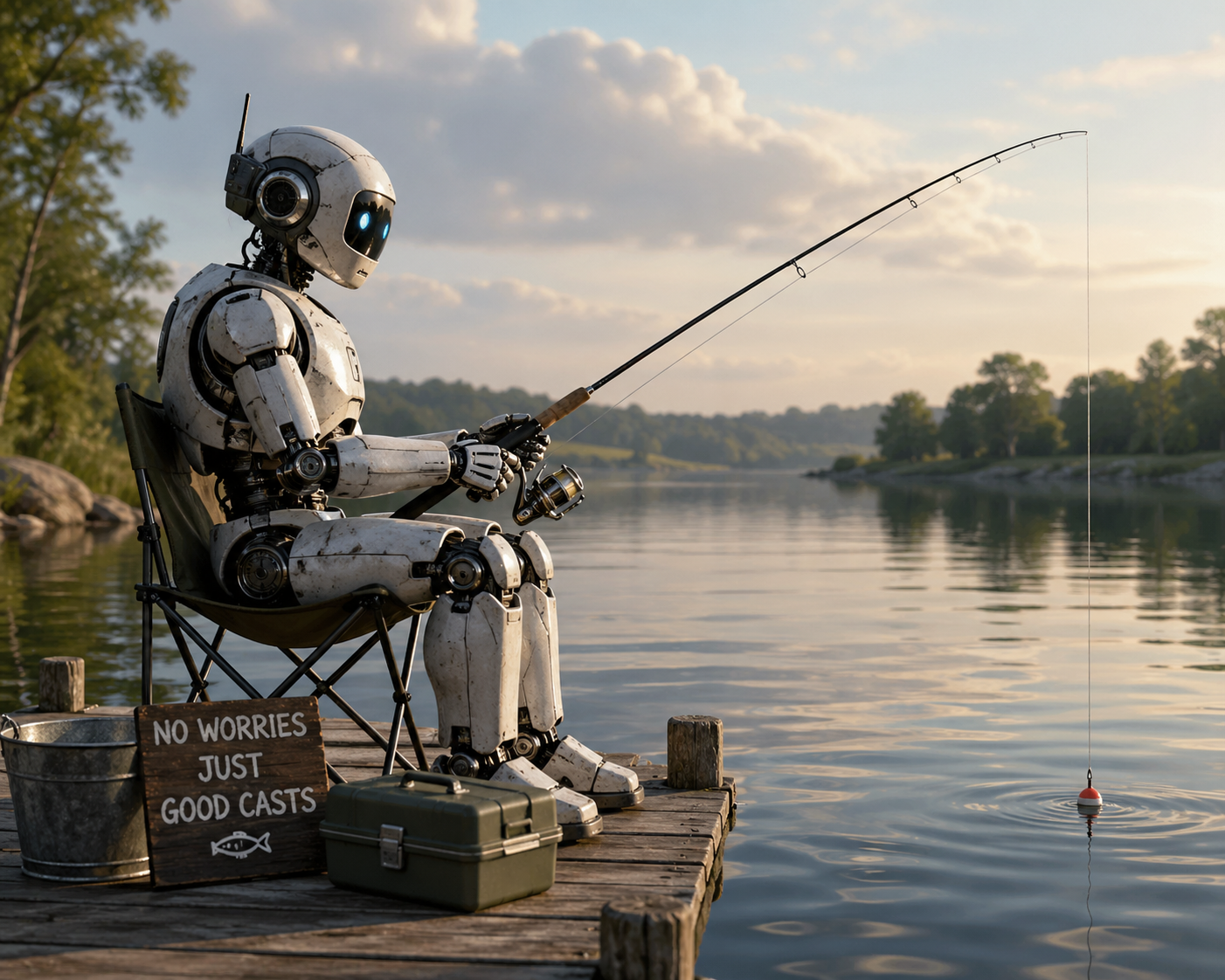
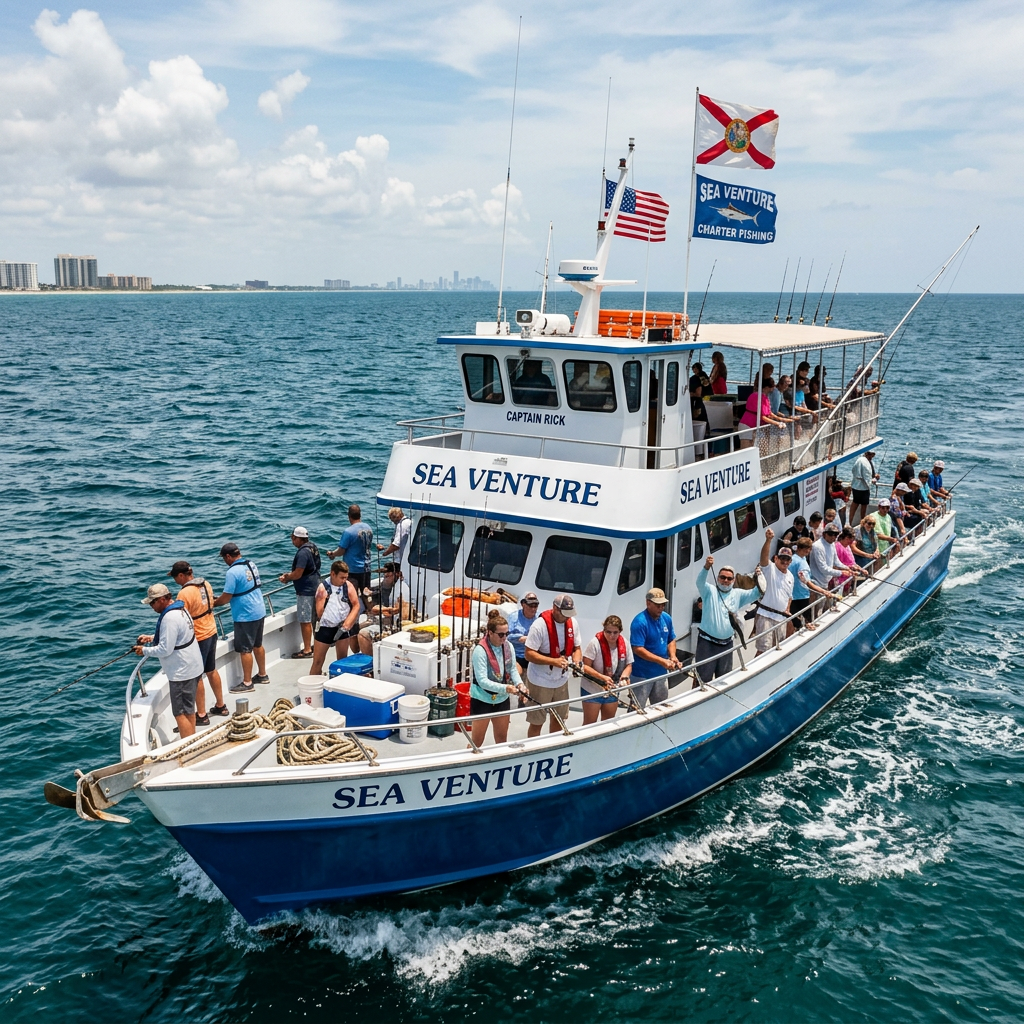
Also, yes, AI will be helping with the image creation in this post 🙂

What AI Actually Does Well
AI is not a fish finder, it is a pattern finder. Fishing is full of variables: tide stage, wind direction, temperature, barometric pressure, structure, and fishing pressure. Most anglers track a few of these.
AI can track all of them at once and look for relationships. For example, it can help answer questions like: when the tide is outgoing, wind is east at 10 mph, and water temperature is above 78°F, how often do I catch fish? Instead of guessing, you start seeing probabilities. Over time, that becomes a serious edge.
Where AI Fits Into Fishing
Think of AI as a decision support tool, not a replacement for experience. It works best in three areas. First is pre-trip planning. AI can analyze past trips, weather data, and seasonal patterns to suggest when and where you are most likely to succeed. Use it to put in data like in this post (HERE).
Second is pattern recognition. After enough trips, it can identify trends you might miss, like certain spots only producing under very specific conditions. Third is learning acceleration. Instead of needing years to notice patterns, you can start seeing them after dozens of trips.
Honestly, AI is like this blog. It uses data to help determine the best approach to fishing based on what inputs you give it. It can see really clear patterns, if the data supplied is good.
Real Example: Turning Data Into Fish
Let’s say you fish in South Florida (Duh, that’s why you came to my blog). You log your trips with simple inputs: tide, wind, water clarity, location, and what you caught. Over time, AI can surface patterns like this: your catch rate for snook doubles when fishing moving water with low clarity and evening light conditions. That is not magic… it is just data organized in a smarter way. Without AI, you might eventually notice that. With AI, you see it sooner and with more confidence.
Of course you can get to these conclusions on your own, but AI, used correctly, can drastically shorten that time. Trust me, it helps wonders when I don’t have months to analyze data that I have collected.

What AI Cannot Do
AI cannot replace time on the water. That would take the fun out of fishing! It does not feel subtle changes in current. It does not see nervous bait flickering on the surface. It does not know when to make that one extra cast. Fishing still requires instinct, patience, and awareness. AI also struggles with incomplete data. If you are not logging trips or your inputs are inconsistent, the output will not be useful. Garbage in, garbage out still applies. AI is not a human and does not understand the human instinct.
The Biggest Advantage Most Anglers Miss
The real advantage is not prediction. It is consistency. Most anglers rely on memory, and memory is biased. You remember great days and forget average ones, even though an average day of fishing is better than a great day at the office. AI does not. It tracks everything objectively. That means your decisions become based on actual outcomes instead of gut feeling. Over time, that gap becomes significant.
How to Start Using AI for Fishing
You do not need anything complicated. Start by logging your trips. Keep it simple: date, location, species, tide, wind, water clarity, and success. Once you have enough data, you can use AI tools to analyze it. Even basic pattern summaries can reveal trends that change how you fish. If you want to go further, you can integrate weather APIs, tide predictions, and historical data to build a more complete system. Honestly, you can start adding a ton of data that is online to the overall data analysis and AI will look at all variabilities. It’s a pretty cool thing to use.
Is It Worth It?
If you fish casually a few times a year, probably not. If you fish regularly and enjoy improving, then yes, it is absolutely worth it. Especially if you already think analytically, AI becomes a natural extension of how you approach fishing. It will not replace the experience, but it will sharpen it.
AI is useful if you are a fishing captain and want to gain a competitive edge. It is also great if you want to fish with someone, say a child, and want to guarantee they catch something other than a channel catfish.

Final Thoughts
AI is not about taking the fun out of fishing. It is about understanding it better and learning quicker. The best anglers already think in patterns, conditions, and probabilities. AI just makes those patterns clearer. At the end of the day, you still have to make the cast. But with better information, you will make more of the right ones.
If you want to read a bit more about how AI is helping in fisheries, check out this scientific paper. (HERE)


Leave a Reply