
Few environmental factors influence fishing success as consistently and subtly as water clarity. Anglers often focus on where fish are located and what they are biting, but far less attention is paid to how well fish can actually see. Water clarity is an extremely important influencer when it comes to fish behavior. It influences how fish hunt, how secure they feel, and how willing they are to strike.
Whether you are fishing a muddy river after rain, a lightly stained estuary, or a crystal clear spring fed lake, understanding water clarity can explain why the bite feels aggressive one day and painfully slow the next.
How Fish See Underwater
Fish vision is adapted specifically for aquatic environments where light behaves very differently than it does in air. Water absorbs and scatters light quickly, and suspended particles further reduce visibility.
Contrast detection allows fish to notice objects that stand out against their surroundings even when fine details are unclear. Many species can perceive color in shallow or moderately clear water, but color fades rapidly as depth or turbidity increases. Red wavelengths disappear first, followed by orange and yellow, while blue and green persist the longest. Fish are also highly sensitive to motion, which becomes increasingly important as clarity declines.
In clear water fish can see prey from farther away and take time to inspect it. In dirty water fish have far less time to react, which leads to faster and more instinctive strikes.
Turbidity and Feeding Behavior
Turbidity refers to the amount of suspended sediment, algae, or organic material in the water. As turbidity increases, light penetration decreases and visibility shrinks. When people say they can see “like a foot visibility” this could be high turbidity. In fact, they measure turbidity with a secchi disk, which looks like this :

In muddy or heavily turbid water, fish often only detect prey at close range. Imagine putting on googles in muddy water, this is what fish tend to see. This shortens the strike window and makes precise lure placement more important. Fish shift from inspection based feeding to reaction based feeding. Because chasing prey blindly wastes energy, many species rely more on ambush tactics and position themselves near structure, current breaks, or predictable travel paths. (Hecht & Van Der Lingen, 1992; Shoup & Wahl, 2009)
In contrast, low turbidity environments allow fish to hunt visually across greater distances, but that same visibility also increases their exposure to predators and anglers.
Clear Water Fishing and Its Tradeoffs
Clear water is often associated with ideal fishing conditions, but it comes with some caveats that we need to discuss.
Clear water allows fish to see extremely well, which improves their ability to locate food. This can create predictable feeding patterns tied to structure, depth, and light levels. It also allows anglers to use finesse techniques such as light line, natural colors, and subtle retrieves. This is one thing that bass fisherman are really good at. Sight fishing becomes possible in shallow water under calm conditions.
However extremely clear water also increases fish caution. Fish can examine lures closely and notice line, hooks, and unnatural movement. Bright sunlight penetrates deeply, which can stress fish and push feeding activity into low light periods. Bites tend to be softer, less frequent, and more deliberate.
Clear water often produces fewer bites overall, but the bites that do occur are often from larger or more selective fish.
Dirty Water and Aggressive Strikes
Dirty water reduces visibility and alters fish behavior in the opposite direction. Fish cannot inspect prey for long, so strikes are often aggressive and decisive. Reaction baits, vibration, and sound become more important than realistic appearance. This can be best represented by “noodling”, which you should definitely watch on YouTube. Here is a link to a video showing this very fun fishing method.
Dirty water can reduce fish wariness and extend feeding windows throughout the day since sunlight has less influence. This often leads to higher bite frequency and stronger strikes.
The downside is that strike distance is limited. If clarity becomes too poor, fish may struggle to locate food at all. Extremely muddy conditions can temporarily shut down feeding until sediment settles. However, this is a good time to use cut bait so they can smell the bait.
Pros and Cons of Clear Water vs Dirty Water
Clear Water
| Category | Pros | Cons |
|---|---|---|
| Fish Behavior | Fish can see prey easily and follow predictable patterns | Fish become cautious and selective |
| Bite Quality | Higher chance of quality fish | Softer bites and fewer strikes |
| Angler Approach | Finesse techniques work very well | Requires stealth and precise presentation |
| Light Conditions | Allows sight fishing and visual targeting | Bright light reduces feeding windows |
Dirty Water
| Category | Pros | Cons |
|---|---|---|
| Fish Behavior | Fish rely on reaction and commit quickly. Fish that rely on smell really benefit in these conditions | Limited ability to see lures and live bait |
| Bite Quality | Aggressive and forceful strikes | Missed strikes and short bites can occur |
| Angler Approach | Power fishing and bold lures excel. Cut bait works well | Reduced effectiveness of finesse tactics |
| Light Conditions | Feeding less affected by bright sun | Extreme turbidity can shut down activity |
Stained Water as the Ideal Balance
Many of the best fishing days occur in lightly stained water. Stained water limits visibility just enough to reduce fish wariness while still allowing visual feeding. Contrast becomes more important than realism, and fish often feed confidently without becoming reckless.
There are a few fish that I specifically target when these conditions occur. I find that mangrove snapper eat best in these conditions.

Bite Quality Versus Bite Quantity
Water clarity affects not only how often fish bite, but how they bite. Clear water bites are often subtle, delayed, and easy to miss. Dirty water bites are quick and forceful. Stained water tends to produce the most consistent balance of frequency and aggression.
Final Thoughts
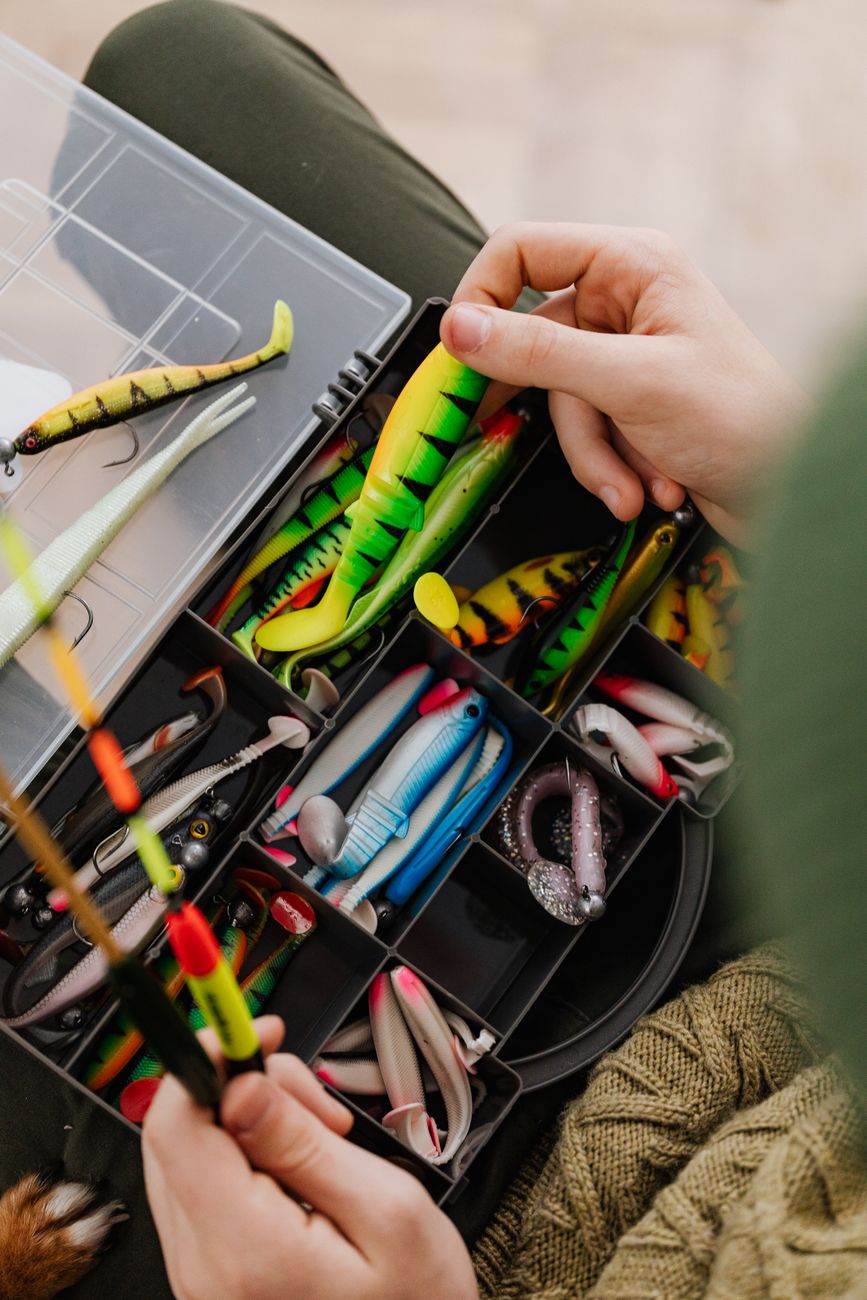
Water clarity is not simply good or bad. It reshapes the underwater environment fish live in and determines how they balance risk and reward. Clear water increases visibility but also pressure and caution. Dirty water reduces visibility but encourages faster decision making. It also causes fisherman to decide what type of fishing lure or bait they will use.
Anglers who learn to read water clarity and adjust their approach accordingly gain a significant advantage. When the bite feels off, the answer is often not what the fish are eating, but what they are able to see.




Leave a Reply