
If you’ve spent any amount of time fishing in South Florida, you’ve probably heard someone say, “You have to be on the water before sunrise,” or “The fish shut down after 9 AM in the morning.” While there might be some truth to those statements, they don’t tell the whole story. The reality is way more complicated. Fish don’t carry watches, and they certainly don’t stop feeding simply because the clock reaches a certain hour. Something else must be going on.

The best time of day to fish in South Florida depends on a combination of environmental factors that influence fish behavior. Water temperature, sunlight, tides, dissolved oxygen, weather, seasonal changes, and fishing pressure all work together to determine when fish are most likely to feed. Understanding how these factors interact is far more valuable than simply memorizing a “best time” from a chart. Even if everything is great, there might often be something overlooked that influences feeding behavior.
South Florida presents unique challenges compared to many other fishing destinations. Unlike northern states where dramatic seasonal temperature changes dictate fish behavior, South Florida experiences warm temperatures throughout much of the year. Fish remain active in every season, but they adjust their feeding windows to avoid extreme heat, changing tides, and heavy boating activity.
Whether you’re targeting peacock bass in Miami canals, largemouth bass in the Everglades, snook beneath bridges, or tarpon along the beaches, choosing the right time of day can dramatically improve your chances of success. This guide explains why time matters, how fish behavior changes throughout the day, and how you can use that information to consistently catch more fish.
Does the Time of Day Really Matter?
The short answer is yes, but perhaps not for the reasons most anglers think.

Fish don’t become hungry because it’s six o’clock in the morning. Instead, they respond to changes in their environment. As the sun rises, water temperatures begin increasing, light penetration changes, prey species move differently, and predators adjust their hunting strategies.
Many game fish are ambush predators. They rely on shadows, structure, vegetation, docks, bridge pilings, mangrove roots, and drop-offs to surprise prey. During periods of lower light, prey fish often become less cautious, giving predators an advantage.
As sunlight intensifies, many species either move deeper into the water column or seek shaded areas where temperatures remain comfortable, especially in South Florida where it gets hot, fast. This behavior explains why fishing often changes throughout the day, even if you’re targeting the same species in the same location.
However, time of day is only one piece of the massive 1000 word puzzle. An incoming tide at noon may produce far better fishing than a slack tide at sunrise. Likewise, an overcast afternoon may outperform a bright morning because reduced light encourages fish to remain active longer.
Successful anglers learn to view the clock as one variable among many rather than the only factor that matters. That is why you should use my excel spreadsheet to document variables that influence fishing 🙂
Why South Florida Is Different
Fishing patterns in South Florida differ considerably from much of the United States.
Unlike northern lakes that experience ice cover during winter, South Florida waters remain relatively warm throughout the year, even in the winter. Fish continue feeding during every season, although their activity levels and preferred habitats change.
The tropical climate also means afternoon water temperatures can become extremely warm during summer, sometimes in the upper 90s. As surface temperatures increase, oxygen levels often decrease, causing many fish to reduce their activity until conditions improve.
Saltwater anglers face an additional variable that freshwater anglers farther inland rarely encounter to the same extent: tides.
Inshore species such as snook, redfish, seatrout, tarpon, mangrove snapper, and jack crevalle often respond more strongly to changing tides than to the actual hour of the day. A strong moving tide frequently creates feeding opportunities regardless of whether it’s early morning or late afternoon.
Because South Florida contains both freshwater and saltwater fisheries within a short drive, anglers should learn to consider both the clock and tidal movement when planning trips.
Sunrise: The Classic Fishing Window

Ask ten experienced anglers their favorite time to fish, and a solid 8 will probably answer with one word: sunrise. The other 2 are probably day dreaming about fishing sunrise and won’t respond.
There are several reasons early morning consistently produces excellent fishing.
The first is water temperature. Throughout the night, surface water gradually cools. Cooler water generally contains more dissolved oxygen, allowing fish to remain active without expending as much energy.
The second advantage is reduced light.
Many baitfish rely heavily on vision to detect predators. During dawn’s low-light conditions, predators such as largemouth bass, peacock bass, snook, and tarpon gain an advantage. They can hunt more aggressively while remaining concealed by shadows.
Human activity also plays a role.
Boat traffic, personal watercraft, swimmers, and shoreline recreation are usually minimal shortly after sunrise. Fish often feel more comfortable feeding before daytime disturbances begin. Definitely something you don’t really think of.
For freshwater anglers, sunrise is an outstanding time to fish topwater lures. Frogs, walking baits, poppers, and prop baits frequently produce explosive strikes during the first hour after daylight.
Saltwater anglers often experience similar success with topwater plugs around mangroves, seawalls, oyster bars, and grass flats. Sunrise is excellent for a Zara Spook.
If you only have a few hours available to fish, sunrise is usually the safest choice.
The Morning Bite
Many anglers mistakenly believe the bite ends immediately after sunrise.
In reality, fishing often remains productive throughout the entire morning.
During spring, fall, and winter, fish may continue feeding aggressively until late morning because temperatures remain relatively comfortable. I have experienced a great morning bite all the way until lunch time.
Cloud cover can extend the morning bite even further.
Without direct sunlight heating shallow water, fish often remain active longer than expected. Peacock bass, largemouth bass, snook, and tarpon frequently continue chasing bait well into mid-morning on cloudy days.
Morning also offers anglers an opportunity to adjust presentations as fish gradually move away from shallow feeding areas.
Rather than abandoning a productive location, consider slowing your retrieve, fishing deeper structure, or targeting shaded cover as sunlight increases. Mangroves are an excellent place to fish when it starts getting a bit warmer.
Many experienced anglers simply change tactics instead of changing lakes.
Can You Catch Fish During the Middle of the Day?
Absolutely! I have had really great fishing at like 1 pm.
One of the biggest misconceptions in fishing is that midday fishing is a waste of time.
While fishing can become more challenging under bright afternoon sun, fish don’t stop eating simply because it’s noon.
Instead, they change where they spend their time.
Bass frequently move beneath docks, overhanging trees, canal walls, lily pads, and submerged vegetation.
Snook often gather beneath bridges where strong current and shade combine to create ideal feeding conditions.
Tarpon commonly suspend beneath dock lights, bridge shadows, and deeper channels.

Peacock bass remain surprisingly active even during warm afternoons because they’re naturally adapted to tropical environments.
Rather than fishing shallow shorelines, successful midday anglers focus on deeper water, current breaks, heavy cover, and shaded structure.
Presentation also becomes increasingly important.
Slower retrieves, precise casts, and patience often outperform aggressive power fishing during bright conditions.
Midday is also an excellent time to fish offshore.
Pelagic species such as mahi-mahi (dolphin), kingfish, tuna, and sailfish are far less influenced by shoreline shade than freshwater species.
Ocean currents, bait concentrations, and weather patterns generally play larger roles than the position of the sun.
Afternoon Fishing
Afternoon fishing receives an unfair reputation.
While extremely hot summer afternoons can certainly slow fishing, productive opportunities still exist.
Wind often increases during the afternoon, creating surface disturbance that reduces light penetration.
Clouds frequently develop as sea breezes move inland.
Afternoon thunderstorms may temporarily cool surface water before moving away.
Each of these changes can stimulate feeding activity.
Reservoirs, canals, spillways, and moving-water systems frequently become productive during late afternoon because current delivers fresh oxygen and concentrates baitfish.
Rather than avoiding afternoon fishing altogether, adapt your strategy to changing conditions.
Seek current whenever possible.
Fish shaded banks.
Target deeper water.
Pay attention to changing weather.
These adjustments often separate successful anglers from those who assume fishing has ended for the day.
Evening: Another Prime Feeding Window
As afternoon transitions into evening, conditions begin improving once again.
Surface temperatures gradually decline. It also gets cooler in the afternoon, which is a major plus.
Light intensity decreases.
Shadows lengthen.

Baitfish become increasingly active.
Predators recognize this opportunity and begin feeding before darkness arrives.
Many experienced South Florida anglers consider the final two hours before sunset nearly as productive as sunrise.
Snook commonly move onto shallow flats.
Tarpon patrol beaches and channels.
Largemouth bass return to shoreline cover.
Peacock bass often resume chasing baitfish near canal edges.
Topwater fishing becomes exciting once again as fish move upward in the water column.
If you enjoy visual strikes, evening can be every bit as rewarding as early morning.
Night Fishing

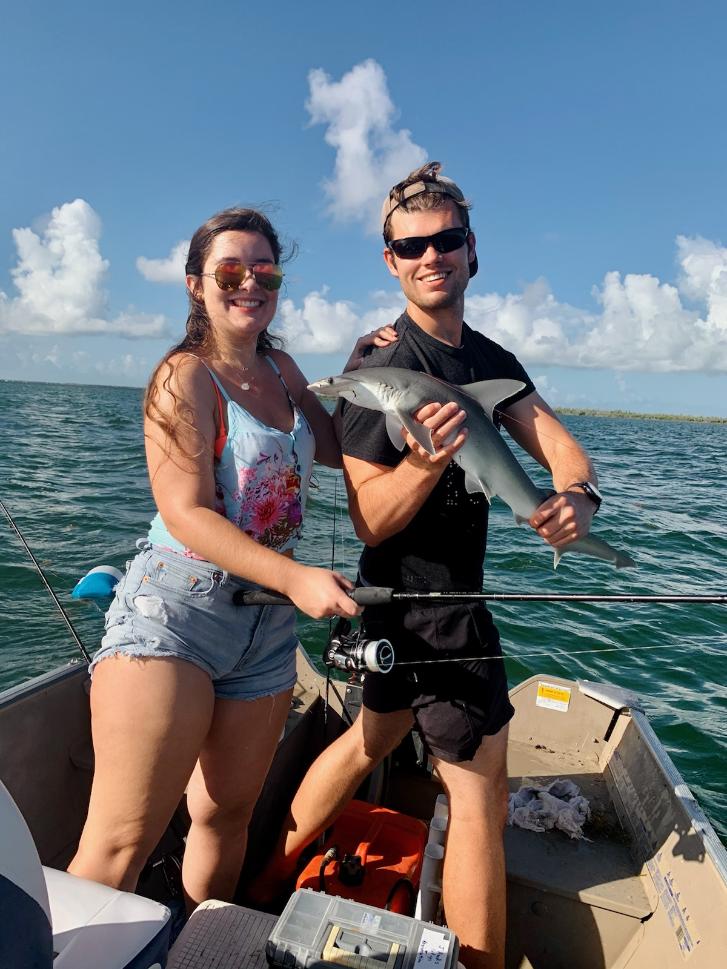
Some of South Florida’s largest fish are caught after dark, and I don’t just mean sharks.
Night fishing provides several unique advantages.
Temperatures become more comfortable for both anglers and fish.
Boat traffic decreases dramatically.
Artificial lighting attracts insects, which attract baitfish, which in turn attract predators.
Bridge lights, dock lights, marina lights, and residential canal lighting often create feeding stations where snook, tarpon, mangrove snapper, jack crevalle, and even sharks wait for unsuspecting prey.
Fishing after sunset requires additional preparation.
Proper lighting, navigation equipment, awareness of tides, and attention to weather become even more important after dark.
For anglers willing to fish at night, however, the rewards can be exceptional.
Many trophy snook and tarpon specialists intentionally avoid daylight altogether because they know the biggest fish often become most active after the sun disappears.
Is Sunrise Better Than Sunset?
This debate has existed among anglers for generations.
The truth is that both periods are excellent.
Sunrise generally offers cooler water, calmer winds, and reduced fishing pressure.
Sunset provides cooling temperatures after a warm day and often triggers another major feeding period.
If all other conditions are equal, it’s difficult to declare one universally better than the other.
Instead, allow tides, weather, seasonal conditions, and the target species to guide your decision.
For many anglers, the best answer is simple: fish both whenever possible.
For me, I love the morning. Unfortunately, I often sleep in too late so evenings it is.
The Best Time of Day by Species
Although general fishing patterns are helpful, every species behaves a little differently. Knowing when your target species is most likely to feed can make the difference between a slow day and one you’ll remember for years.
Snook

Snook are one of South Florida’s most popular game fish, and they are heavily influenced by both light levels and moving water. Early morning and late evening are generally the most productive times because snook use the lower light conditions to ambush baitfish.
During the day, they often hold beneath docks, bridges, mangrove shorelines, and seawalls where shade provides cover from the bright Florida sun. If you’re fishing for snook in the middle of the day, concentrate on structure and current rather than open water.
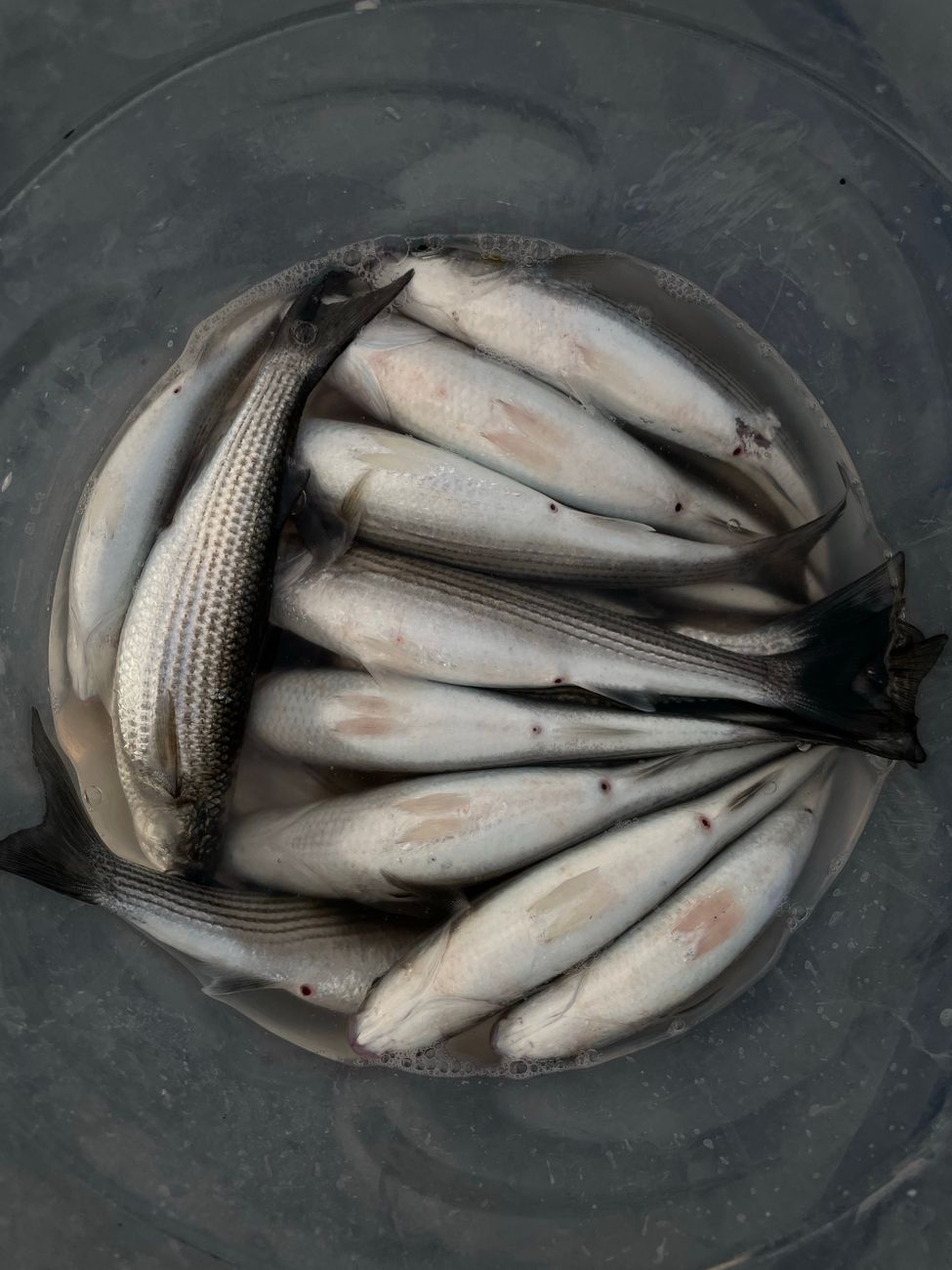
Night fishing can be exceptional, especially around bridges and dock lights where baitfish gather after dark. Some of the largest snook caught each year are landed well after sunset. Put on a large bait fish like a mullet and hold on tight.
Peacock Bass
Unlike many freshwater species, peacock bass thrive in warm water. Native to tropical climates, they remain active throughout much of the day, even when temperatures climb into the upper 80s or low 90s.
That doesn’t mean they ignore the morning bite. Early morning often produces explosive topwater action, especially during the warmer months.
As the day progresses, peacock bass frequently continue feeding around canal intersections, seawalls, culverts, and bridges. They’re visual predators, so bright conditions don’t affect them as severely as largemouth bass.
If you’re visiting South Florida specifically to catch peacock bass, don’t be afraid to fish during the middle of the day. Warm water doesn’t scare them away.
Largemouth Bass
Largemouth bass generally follow more traditional feeding patterns.
The first few hours after sunrise and the final few hours before sunset are often the most productive times to target shallow fish.
Once the sun climbs higher, largemouth bass usually move toward submerged vegetation, deeper drop-offs, docks, fallen trees, and heavy cover where they can remain comfortable throughout the day. So focus on these areas.
Cloudy weather often extends their feeding activity, allowing anglers to fish shallow much longer than they could under bright blue skies.
Tarpon
Tarpon are famous for feeding at sunrise and sunset, but they can also become extremely active whenever tides begin moving.
Along beaches, passes, bridges, and inlets, many experienced anglers pay closer attention to tide charts than the actual time on the clock. Check out Boca Grande Pass. There’s some great midday action.
Night fishing is another excellent option for tarpon, particularly around bridge lights where baitfish concentrate.
Large tarpon often patrol illuminated areas after dark, creating some of the most exciting fishing opportunities in South Florida.
During the shrimp run in February, you can see tons of tarpon attacking shrimp on the surface, at night.
Redfish
Redfish are opportunistic feeders that respond strongly to changing tides.
Morning and evening generally provide the most comfortable conditions, but moving water is usually more important than the exact hour.
During high tides, redfish often push into flooded mangroves, shallow grass flats and oyster bars.
As the tide falls, they move toward creek mouths, channels, and deeper edges where anglers can intercept them.
Spotted Seatrout
Spotted seatrout prefer cooler water temperatures and often feed aggressively during the early morning.
Throughout the summer, they frequently become less active during the hottest part of the day before feeding again during the evening.
Grass flats with moving water consistently produce the best action during these periods.
Mangrove Snapper
Mangrove snapper are active throughout the day but become particularly aggressive around sunrise, sunset, and after dark.
Bridge pilings, docks, mangrove shorelines, and rock jetties all provide excellent habitat.
Because snapper often relate closely to structure, precise bait placement is usually more important than the exact time of day. And when in doubt, chum.
Jack Crevalle
Jack crevalle are powerful predators that often feed whenever schools of baitfish become concentrated.
Morning and evening commonly produce spectacular surface feeding frenzies, but these fish can appear at virtually any hour.
Watching for diving birds, nervous bait, or surface explosions is often more productive than simply watching the clock.
Also, make sure to listen to them attacking bait on sea walls.
Sharks
Many shark species become increasingly active after sunset.
The combination of cooler temperatures and reduced light allows them to patrol beaches, inlets, and channels in search of prey.
While sharks can certainly be caught during daylight, many surf anglers intentionally fish after dark because larger sharks often move into shallow water during the night.
How the Seasons Change the Best Fishing Times

Although South Florida doesn’t experience harsh winters, seasonal changes still influence fish behavior.
Spring
Spring is one of the most productive seasons of the year.
Moderate temperatures allow fish to remain active throughout much of the day.
Morning and evening remain excellent, but midday fishing often stays productive as well.
Summer
Summer heat shortens feeding windows for many species.
Early morning becomes increasingly important because water temperatures remain relatively cool. It was 95 degrees today at 1 pm, just to give you an idea.
Afternoons can still produce fish, especially around moving water, bridges, spillways, or heavy shade.
Evening often brings another excellent opportunity as temperatures begin falling.
Fall
Many anglers consider fall one of the most underrated fishing seasons. It’s certainly my favorite season to fish.
Cooling temperatures allow fish to feed more aggressively throughout the day.
Large schools of baitfish also begin moving, attracting numerous predator species.
Winter
Winter in South Florida is mild compared to much of the country.
Cold fronts occasionally slow fishing for a day or two, but fish quickly resume feeding once stable weather returns.
Interestingly, afternoon fishing sometimes outperforms early morning during winter because shallow water has time to warm under the sun.
Weather Can Be More Important Than the Clock
If there is one lesson experienced anglers learn, it’s that weather frequently overrides the time of day.
Cloud cover often extends feeding activity well beyond sunrise.
A gentle breeze can create enough surface disturbance to keep fish active during bright afternoons.
Light rain may stimulate feeding by cooling surface water and reducing light penetration.
Cold fronts, however, often create challenging conditions for a day or two until fish adjust.
Rather than focusing exclusively on the clock, successful anglers watch the weather forecast just as carefully.
Never Ignore the Tide
For inshore saltwater fishing, tides often matter more than the actual time of day.
Moving water carries shrimp, crabs, baitfish, and other prey toward waiting predators.
Snook, redfish, tarpon, jack crevalle, and many other species position themselves where current naturally delivers food.
A strong incoming tide at one o’clock in the afternoon may produce far better fishing than a slack tide at sunrise.
Whenever possible, plan your trips around periods of moving water rather than simply trying to arrive before daylight.
Common Myths About the Best Time to Fish
One of the biggest myths is that fish only bite at sunrise.
While mornings are excellent, fish continue feeding throughout the day whenever conditions are favorable.
Another misconception is that midday fishing is always poor.
Many South Florida species, especially peacock bass, remain surprisingly active during warm afternoons.
Some anglers also believe cloudy days are bad for fishing.
In reality, cloud cover often improves fishing because reduced sunlight allows predators to remain shallow longer.
Finally, many people assume time of day is more important than tide.
For freshwater fishing that may sometimes be true, but for inshore saltwater species, tidal movement often has the greatest influence on feeding activity.
Frequently Asked Questions
Many anglers ask whether sunrise or sunset is better.
The answer depends on weather, season, and tides. Both periods consistently produce excellent fishing.
Another common question is whether fishing is worthwhile during the afternoon.
Absolutely. Simply adjust your strategy by targeting shade, deeper water, current, or heavy cover.
People also wonder if cloudy days improve fishing.
In many situations they do. Lower light levels frequently encourage fish to feed for longer periods.
Finally, anglers often ask what single factor matters most.
For freshwater species, water temperature and light levels are usually the biggest influences.
For saltwater species, moving tides frequently outweigh everything else.
Final Thoughts
So, what is the best time of day to fish in South Florida?
The honest answer is that there isn’t one universal “best” time.
Sunrise consistently offers excellent fishing because of cooler temperatures, lower light, and reduced fishing pressure. Evening provides another outstanding opportunity as fish prepare to feed before darkness. Night fishing can be exceptional for species like snook, tarpon, mangrove snapper, and sharks.
At the same time, anglers who refuse to fish during the middle of the day are missing countless opportunities. By adjusting your location and presentation to changing conditions, you can catch fish at virtually any hour.
The most successful anglers don’t rely solely on the clock. They pay attention to water temperature, cloud cover, seasonal patterns, wind, tides, and fish behavior. When several of these conditions come together, the bite can be outstanding regardless of whether it’s seven in the morning or three in the afternoon.
Rather than asking, “What time should I go fishing?” start asking, “What conditions are creating the best opportunity today?” That simple shift in thinking will help you catch more fish throughout the year and make every trip to the water more productive.

Leave a Reply