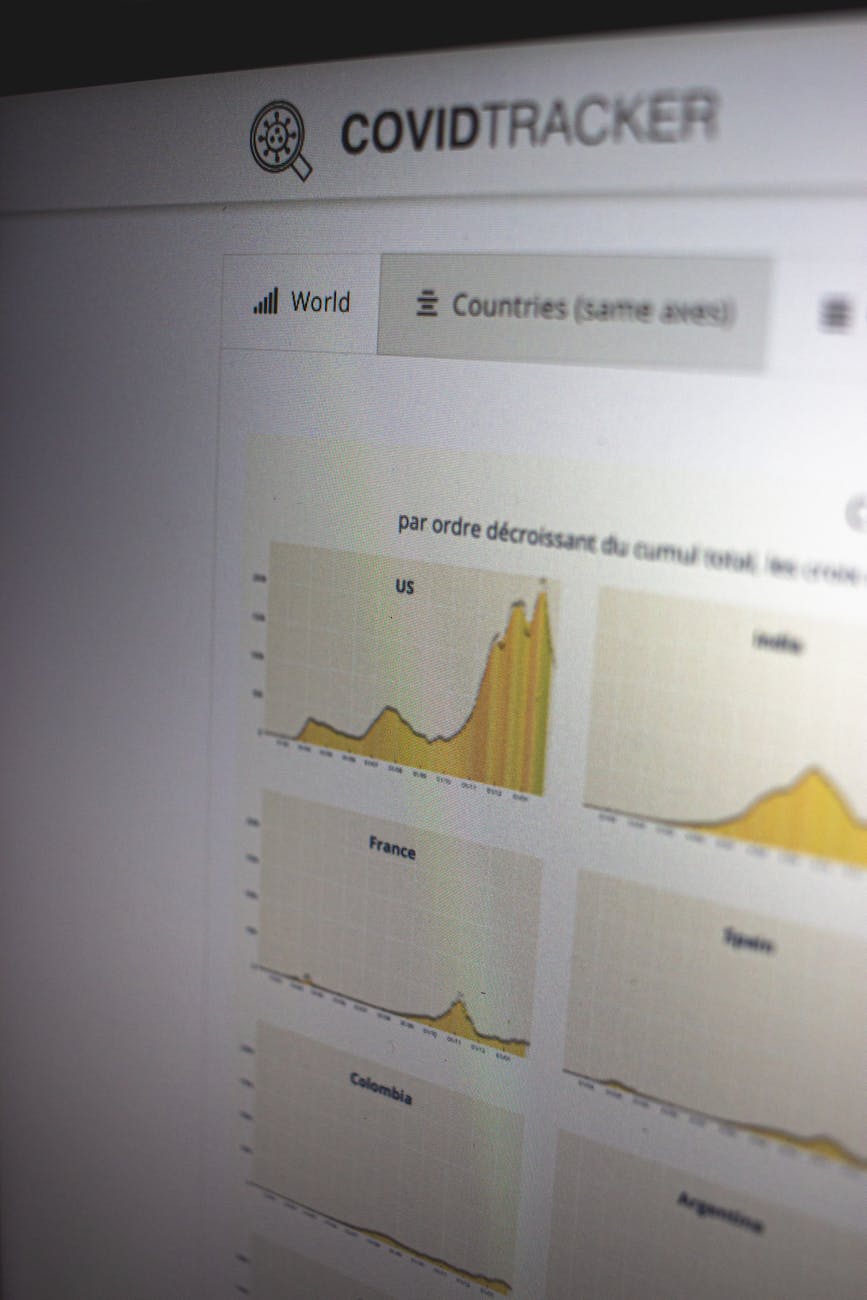

If you spend enough time on the water or online, you will find a world full of opinions about the numbers and variables that truly matter in fishing. Facebook, Reddit, and Instagram are all full of people telling you opinions. Technically, I am telling you my opinion on this website, but mine is the only one that matters haha.
Anglers love data even if they never call it that. Everyone has their favorite indicators and their own makeshift formulas for predicting when the bite will turn on. I am a data person at heart. I track everything from tides to temperature to how many other people are fishing the same spot. After years of fishing and collecting my own data for Fishing With Data, I have learned that some information consistently helps me catch more fish while other information looks cool, but adds almost nothing. Don’t let this information waste precious time when fishing.
This post breaks down the data that actually moves the needle and the things you can safely ignore so you can spend more time fishing and less time chasing useless numbers.
Fishing Data That Actually Matters
These are the variables I rely on every single week. I have tested these in Miami, at the Keys bridges, Matanzas Inlet, Daytona Beach, Ormond Beach, Naples, St. Augustine, West Palm Beach, at freshwater ponds all over the state, and everywhere in between. When these line up in your favor, your catch rate almost always improves.
Wind Direction and Speed
Wind is one of the most important predictors of fishing success. The direction of the wind tells you where water will push bait and where predatory fish will stage. In my logs, east winds bring cleaner water and more bait because the nearshore areas get flushed. West winds can push dirty water into the shallows and reduce visibility. Strong winds can create too much surface chop, but light to moderate winds often signal an active bite. I always check wind before choosing a location because it can make or break a trip.
Obviously, this is my personal logs, based off of Florida. This will change depending on the location you fish. West winds might bring in cleaner water and east winds may cause problems. This is all dependent on location. One of the reasons to keep a log of where you fish.
Tides and Water Movement
The number one mistake new anglers, and even older anglers, make is ignoring tides. Tides change the depth, the position of bait, and the places where predators wait. Incoming tide usually means cleaner water and more movement which tends to turn fish on. Outgoing tide can be incredible around flats, mangroves, and jetties where bait gets flushed into deeper water. Slack tide is usually the slowest period. If you want consistent results, plan around moving water. Your catches will immediately improve.
Water Temperature
Water temperature controls everything in the underwater world. Fish metabolism changes with temperature and so does the availability of bait. In the winter a slight warm up of even a few degrees can trigger a big bite window in the afternoon. In the summer higher temperatures often push fish deeper or into shaded structure. I keep temperature in every fishing log and when I look back, almost all of my best days line up with the right temperature window for that species.
Structure and Bottom Type
Structure is everything. Rocks, grass beds, docks, ledges, and drop offs all concentrate life. You can have the perfect tide and the perfect temperature, but if the bottom is pure sand with no cover your odds plummet, unless you are searching for sharks, then you may have really great success.
Grass indicates life. Grass holds shrimp, small fish, crabs, and everything predators want. Sand by itself is usually dead except at transitions where sand meets grass or rock. When I scout new locations, I always start with structure because everything else depends on it.
Current Strength and Direction
Strong current funnels bait into predictable travel lanes. Weak current allows bait to spread out and makes predatory fish less active. Inlets, bridges, spillways, and river mouths are all controlled by current. I log how fast the water moves at each spot because there is often a very specific current speed where the bite peaks. You don’t need to monitor that actual speed, just look to see how fast you drift and whether you are moving way too fast. Too fast and the fish hunker down. Too slow and the food does not move.
Amount of Visible Bait
This is one of the most underrated pieces of data you can collect. If bait is thick then predators are somewhere nearby. If bait is scarce your chances drop unless you are specifically targeting fish that do not depend on schooling bait. Schools of pilchards, mullet, glass minnows, and small sardines tell you everything you need to know about the health of the area. I note bait species, bait density, and how the bait is behaving because it correlates strongly with the quality of the bite.
Fishing Pressure and the Number of People in the Area
Many anglers pretend this does not matter but it really does. Pressure affects the bite. If you have twenty people lined up along a flat or a bridge, that spot becomes unpredictable. Fish either move away or become selective. Human activity affects fish behavior. I keep notes on how pressured a spot is and how that pressure changes throughout the day. Early mornings and weekdays tend to produce more stable patterns because the fish are less disturbed. Weekends at popular spots might not be the best idea just because the area might be overfished. Be prepared.
Water Clarity
Water clarity affects how fish feed and what lures or baits you should use. Clear water means fish rely heavily on sight. Dirty water means vibration and scent matter more. In super clear water fish can get spooky and you may need lighter line or more natural presentations. In dirtier water you can get away with heavier line and more aggressive movement. I always record clarity because it directly changes the approach I use.
The Data You Should Probably Ignore
The internet is full of data points that look scientific but do not translate to better fishing results. These are the ones that sound cool but rarely make any difference in actual catch rate.
Moon Phase by Itself

Ok, I’m not going to lie. As I was doing research, this one actually surprised me.
Moon phase alone has almost no predictive value. What matters is how the moon affects tides and light. A full moon often means fish feed heavily at night so daytime can be slower. A new moon often means better movement. But the phase by itself without tides and wind does not matter much. Many people overestimate its impact.
Remember that there is a “full moon” every night. You just don’t see the whole moon because of a shadow.
“Color of the Lure for That Day”
Color only matters when water clarity is extreme. In most normal conditions action, depth, and presentation are far more important. Anglers love to obsess over color because it is fun to talk about but most of the time it does not determine success.
The only time when I saw the color of the lure really make a difference was when I was fishing for snook that were chasing after shrimp. The lure I was using did not match what they were eating, but I still caught snook. Once I changed to a lure that was brown, I caught “a few” more snook.
Super Precise Weather Numbers
Tiny differences in humidity, cloud cover, or ten percent changes in storm probability add nothing to your catch rate. Weather in general matters, but the micro data points do not. Fish care about temperature, wind, water clarity, and current far more than detailed forecasts.
DOn’t g insane keeping track of every little change. Focus on major changes such as long periods of cold or hot weather, crazy high and low tides, as well as just time of year.
How to Use This Information in Your Own Fishing
Start by logging the variables that actually matter. If you have been following Fishing With Data, you know how much I love spreadsheets. Make one sheet for tide, wind, temperature, structure, current, bait presence, water clarity, and fishing pressure. After a few weeks you will start to see patterns. After a few months you will see clear relationships between these factors and your personal success. Data does not make fishing boring. It makes fishing more predictable and more fun because you start to understand the ecosystem like a biologist and a hunter at the same time.
The goal is to stop guessing and start pattern building. By ignoring the noise and focusing on the variables that actually influence fish behavior, your time on the water becomes way more productive.
Final Thoughts
Fishing will always have a little mystery but it does not have to be completely random. When you focus on the right data you gain an edge that most anglers never take the time to build. Wind, tides, temperature, structure, current, bait, pressure, and clarity will guide almost every decision you make on the water. Ignore the trendy data that does not matter and pay attention to the things that consistently drive results. Your catch rate will improve, your trips will feel more intentional, and you will start seeing patterns in places you never expected.
If you want to dig deeper, I will keep posting the data I collect at Fishing With Data so everyone can turn their time on the water into real insights.



Leave a Reply