

Fishing South Pointe Park in Miami is one of those experiences that instantly reminds you why you even bother lugging gear around, waking up before sunrise, and fisghting the crowds for a parking spot.
If you’ve never fished here before, or if you’ve been going but want to actually understand why some days are good and others aren’t. This post is for you. This spot is gorgeous, packed with life, and directly influenced by tides, bait, current, structure placement, and crowd pressure, making it a dream location for fisherman. You just need to know where to fish.
South Point Park is located at the very bottom of Miami Beach and sits right at the entry channel into Government Cut. That means big water, big opportunities, and big surprises, and potentially having to deal with large cruise ships. You can literally catch an undersized mangrove snapper one minute and hook into something that sends your drag screaming the next. Yes, this was from experience. As an avid outdoorsman, and lover of Miami sunsets, this place is heaven.
Let’s dig into what makes South Point Park an elite place to fish and how you can actually increase your chances of catching something worth posting about.
Understanding the Layout
South Pointe Park has a few zones that all fish differently. Also, there are many areas where you cannot fish, so be mindful of that. There’s the rocky shoreline on the Government Cut side (near the marina), the rock jetty at the tip, and the ocean side near South Pointe Pier. Every area has its own quirks. On the inlet side, water moves fast. You’ve got freighters, yachts, jet skis, and pretty much every expensive boat Miami has passing through. This movement creates surges of water that push bait around and carve micro-currents along the rocks.
When you stand there watching the water, you might not notice it at first, but if you look closely, you’ll see pockets where bait tries to tuck into slower current. One area where this is prevalent is right at the south side of the Miami Beach Marina. There is a seawall that has a pocket of calm water. You will often see tarpon here. That’s exactly where the predators stage (Spot 1).

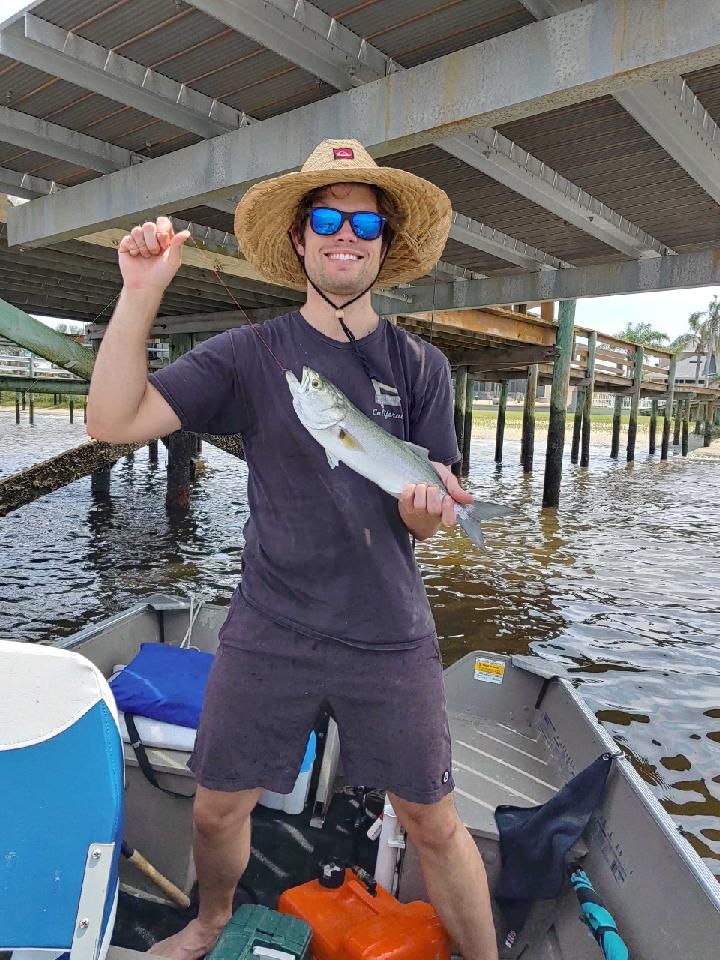
On the ocean side, you’re dealing with wind, swell, and sand movement. But you also get clearer water, waves that push bait toward the rocks, and fish like Spanish mackerel and blue runners that love staying right on the edges. I have caught both of these fish on the ocean side.
What Fish You Can Catch at South Point Park
This is Miami, so the list is long. Here are the most common species you can realistically expect to catch year round. Though, I will have a post later on the best times to catch these fish.
- Snook
- Mangrove snapper
- Tarpon
- Jack crevalle
- Barracuda
- Blue runner
- Spanish mackerel
- Mutton snapper near the channel
- Goliath grouper (yes, they hang around those rocks and I know they feed them in the marina)
Why Current Matters So Much Here
Government Cut is basically a giant conveyor belt of water. So let’s do some calculations to give you an estimate on just how much water goes through there.
Let’s assume that the cut is a rectangle, with a width of 650 ft, in the cut. The depth, taken on my Marine Ways app, shows an average depth of 50 ft. This means that there is a cross sectional area of 32,500 square ft. Now, let us multiply this by an average water velocity of 4 ft/s. That means that at this moment in time, the flow out of the inlet is 130,000 cubic ft, or (holy cow) about 970,000 gallons per second. That’s a lot of water.
As the tide moves, water rushes in or out of the inlet at speeds you don’t always see by eye. Predators sit in ambush, waiting for that rush to carry bait to them. If you’ve ever fished here and wondered why some hours feel absolutely dead while others feel like someone turned the aquarium lights on, that’s current, as well as tide.
Fast incoming tide
Bait gets pushed tight to the rocks. Snook and snapper feed aggressively. Cleaner water coming in drives the snook crazy for food.
Slack tide
Almost nothing happens. It looks nice, but fishing slows down. You can use this time to see all of the sergeant majors eat around the rock.
Outgoing tide
Predators stage deeper and wait for bait to wash out of the bay. Tarpon and jacks really turn on here.
Your entire South Point Park strategy should revolve around tide charts. If you show up at dead slack, you better bring snacks because nothing is going to happen for a while, fishing wise. There is always people watching as well as day dreaming about owning one of the mega yachts at the marina.
Best Times to Fish South Point Park
Early morning
Less pressure, lower winds, fish cruising
Incoming tide just after sunrise
Especially good for snapper, snook, jacks. Focus on the spot near the marina.
Sunset and the hour after
Tarpon roll in the channel, and snook line the rocks. Fish the pier before sunset. At sunset, it closes unfortunately.
The only area open to fish after sunset is south of the marina or at the lighthouse, unless you want to try the beach.
Late night
This is when snook go full monster mode, and you see the glow of Miami behind you reflecting off the water. Send out a live bait along the seawall and hang on.
Gear to Bring
South Point Park is both a light and heavy rod area, depending on the fish. If you want to aim for snapper and barracudas, I would suggest lighter gear. Tarpon and snook may require some heavier gear, of course. You don’t need heavy offshore gear, but you should be prepared. Below are some suggestions.
For snapper and smaller fish
- Light to Medium spinning rod
- 15 to 20 lb braid
- 20 lb mono or fluorocarbon leader
- Small live shrimp or cut bait
For snook, tarpon, jacks, and bigger fish
- Medium-heavy to heavy rod
- 30 to 40 lb braid
- 40 to 60 lb leader
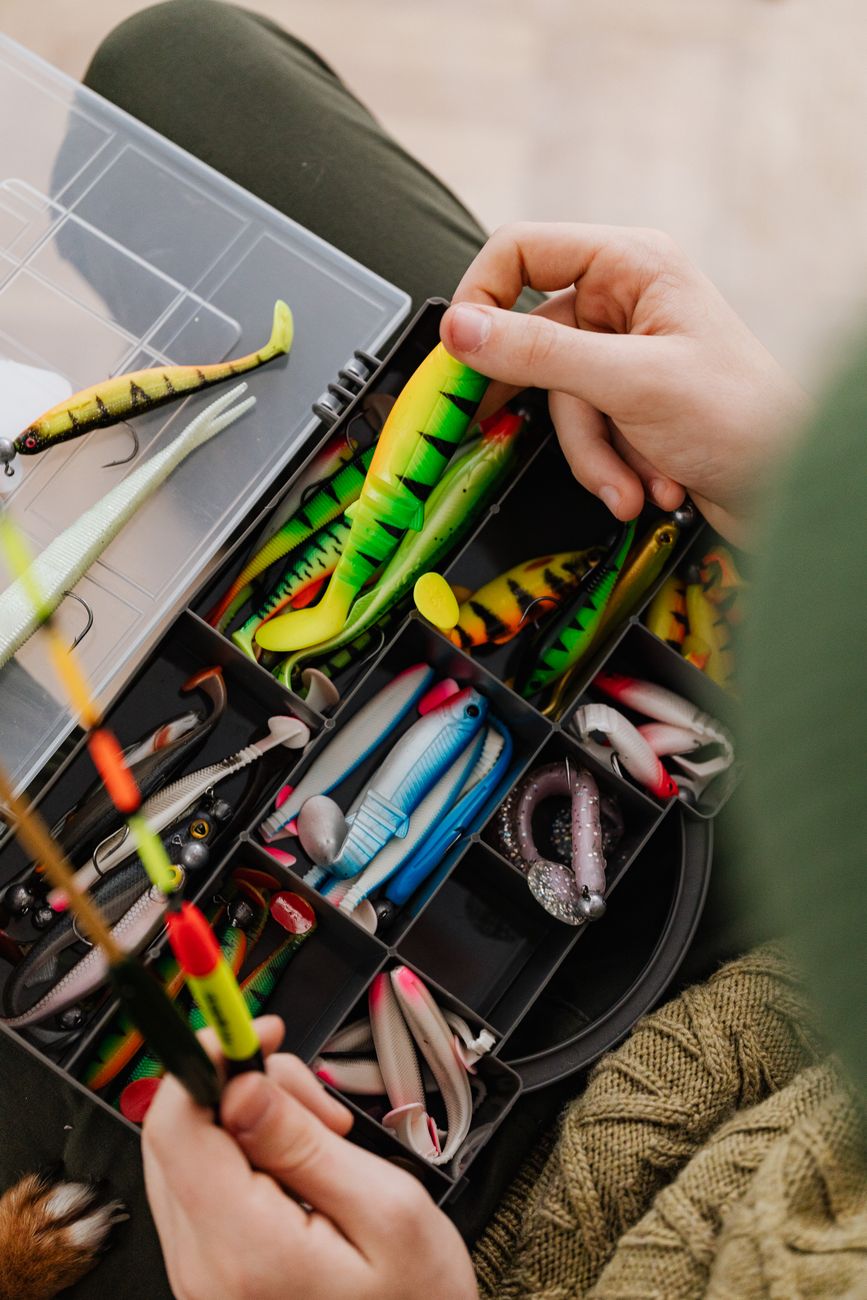
- Live pilchards, mullet, or lures like bucktails and swimbaits
For barracuda
- Light to Medium spinning rod
- Wire leader
- Fast lures like spoons or topwater plugs, tube lures (I actually make these and can make one for you. Email me at benswaringen@yahoo.com)
One big thing to remember: the rocks here are brutal. If your leader has the smallest nick, you’re done. Check your line constantly. Also, be prepared to lose some tackle. I have walked by this area so many time and see new things in the water to get snagged on.
What Data Actually Matters Fishing South Pointe Park
You know I’m going to talk about data. South Pointe Park is one of the best places in Miami to actually see the impact of each variable. Here’s what really matters
Tide
This is number one. If you ignore this, you’re just enjoying the view, which isn’t a bad thing but doesn’t guarantee fish.
Water clarity
Clear water usually means more mackerel and snook. Greenish water is good for snapper. Murky outgoing tide water can bring tarpon and jacks.
Wind direction
East winds push bait onto the beach side. West winds bring bay water out through the cut.
Amount of bait
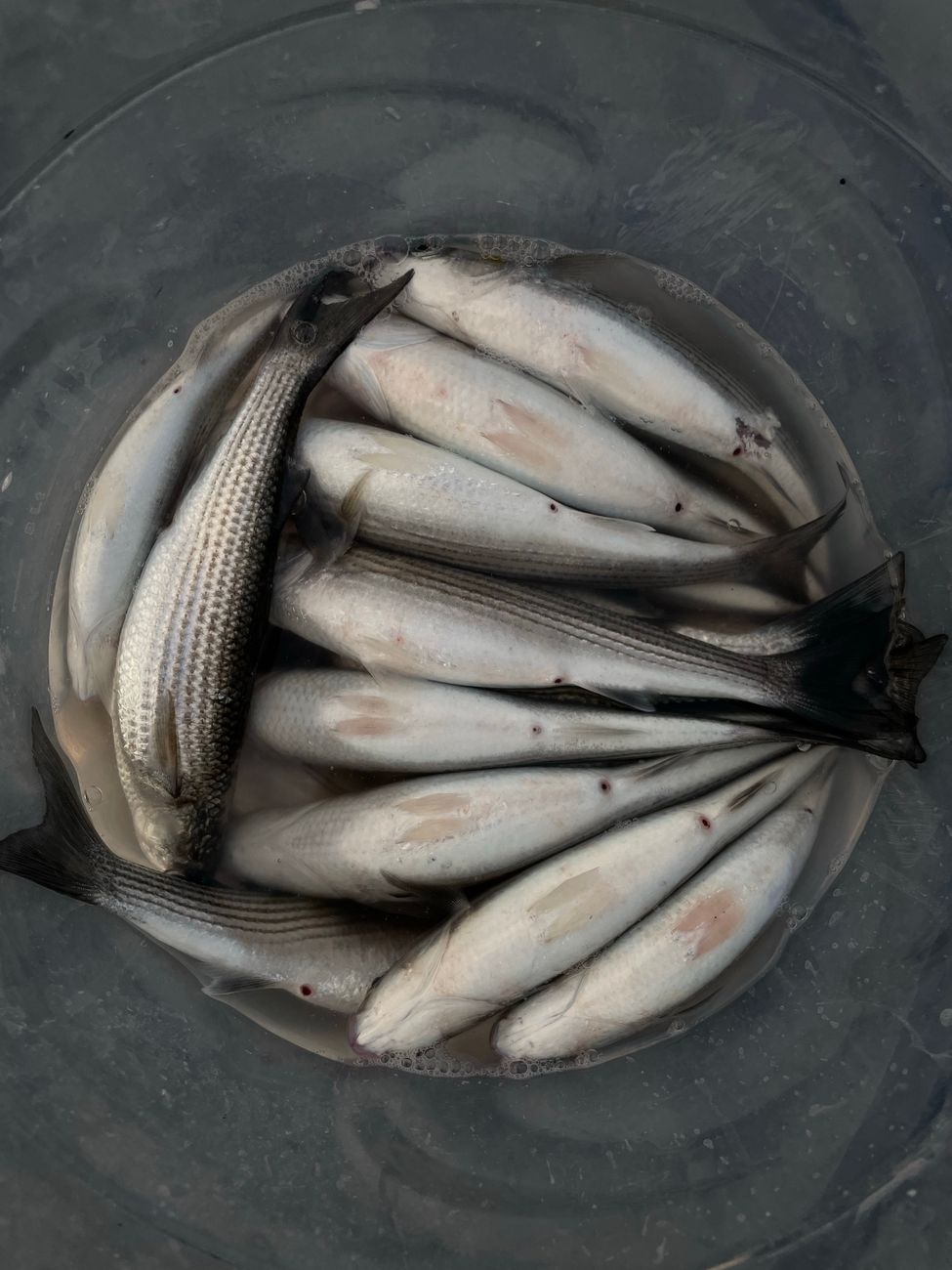
If you see glass minnows, pilchards, or mullet schools, don’t leave. During certain times of the year, you will see a ton of mullet near the jetty. If you can find a spot, fish from the jetty into the schools for snook and tarpon.
Crowd pressure
South Point is popular. More people mean more commotion, which usually pushes fish deeper or farther away along the rocks. Luckily, many people are just their for the views and not to fish. Don’t be discouraged when you see a ton of people.
What Stuff You Can Ignore
Moon phases
The full moon does influence fish offshore due to the amount of light, but at South Pointe Park it doesn’t matter much. Tides matter way more.
Weather apps that say “poor fishing day”
Ignore them. They don’t know Government Cut. Also, they don’t know really anything. Prove me wrong.
Swells
Unless it’s dangerously rough, the jetty and rock wall break up most of it. The only swells you will really see are from ships coming and going.
Tips for Actually Catching Fish Here
Keep your bait low and tight to the rock line.
Most predators cruise the first five feet of water from the rocks. Much of the fishing area outside of this area consists of mostly sand.
Use heavier weight than you think.
Current rips through here. If your bait isn’t staying down, you’re not fishing.
Stay mobile.
If nothing is happening, move a few feet down. Structure changes constantly.
Watch the bait.
If the bait acts like it’s panicking, cast immediately. Hopefully the bait is in close to the fishing area.
Talk to people.
South Point Park has some of the nicest and most knowledgeable anglers in Miami. You’ll learn more in ten minutes than you will in ten YouTube videos. People will also come up to you and talk about fishing.
What Makes South Point Park Worth Fishing
Honestly, it’s the unpredictability. You can go here with a simple medium rod and suddenly hook something that feels like it’s dragging you toward Key Biscayne. You also get one of the most ridiculous backdrops in Miami: giant cruise ships lit up like floating cities, sunlight reflecting off skyscrapers, and blue water that just looks expensive.
If you’re new to fishing or new to Miami, you really can’t ask for a better starting point. There’s structure, deep water, fast current, bait movement, and species diversity all in a single spot. There aren’t many shore-access places like this in the entire state.
Why I Keep Coming Back Here
As someone who mixes data with fishing, this area teaches you a lot. You can actually see cause and effect in real time. Tide shifts, current picks up, bait suddenly pops off the surface, and boom, fish move in. It’s the type of spot that makes you love the process, not just the catch. Plus, it’s just an all around cool place to visit.
Plus, it’s peaceful in its own weird Miami way. You’ve got tourists wandering around taking pictures next to guys wrestling jacks on the rocks. You’ve got people jogging while you’re standing there tying leaders. It’s chaotic, but also kind of perfect. The quintessential Miami way.
Final Thoughts
Fishing South Point Park in Miami is something I think everyone should experience. If you understand the tides, bring the right gear, and actually pay attention to the water, you’ll catch fish here. Maybe not every day, but consistently enough to keep coming back.
It’s one of the few places where beginners and experienced anglers can fish the same stretch of rocks and both have a real shot at something awesome.
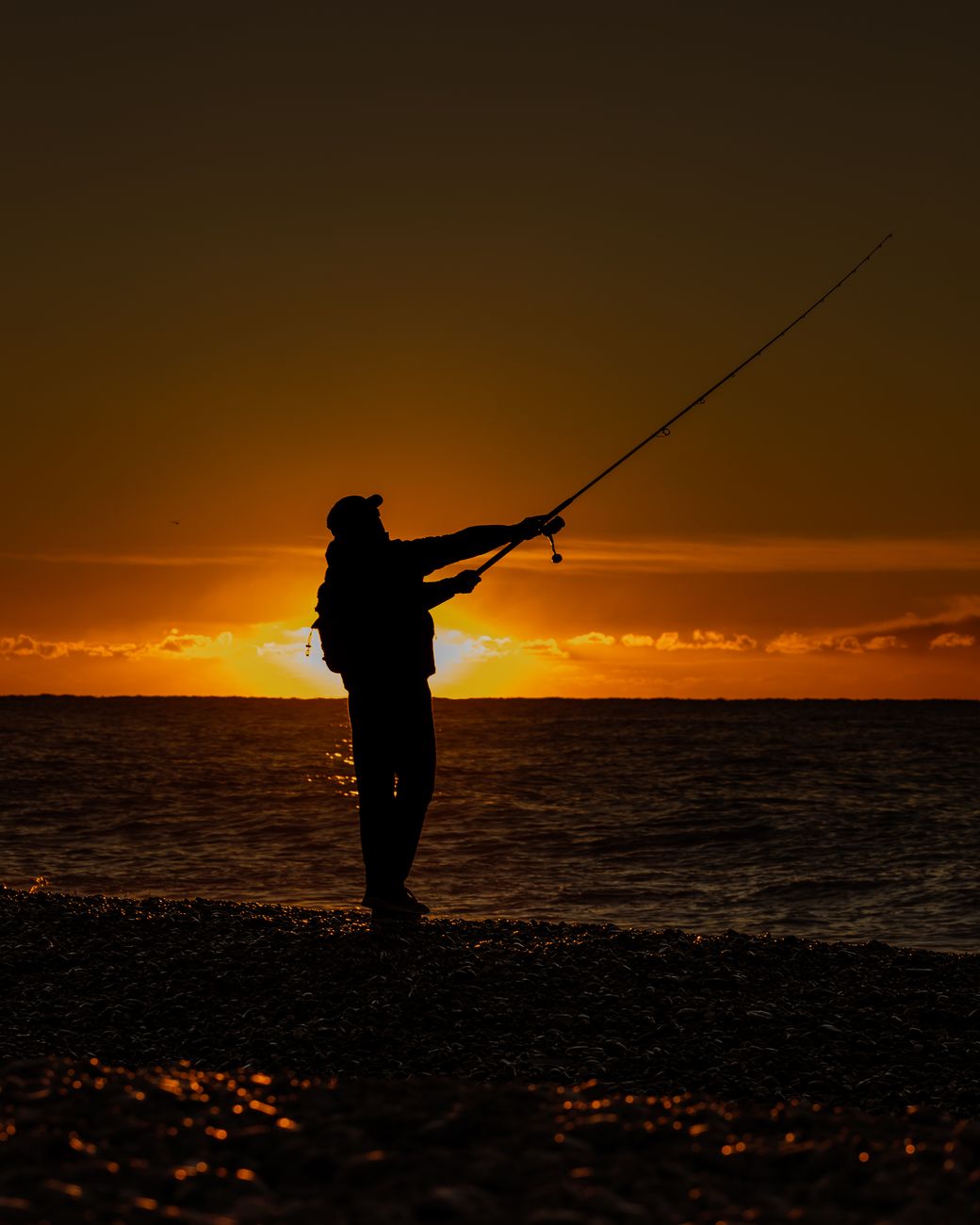
If you’re trying to learn how to read water, test out data-based fishing strategies, or just want a beautiful place to cast a line, this is it. South Pointe Park has everything you need. And honestly, even if you get skunked, you still get to watch the sunset behind the skyline, which kind of makes up for it.


Leave a Reply