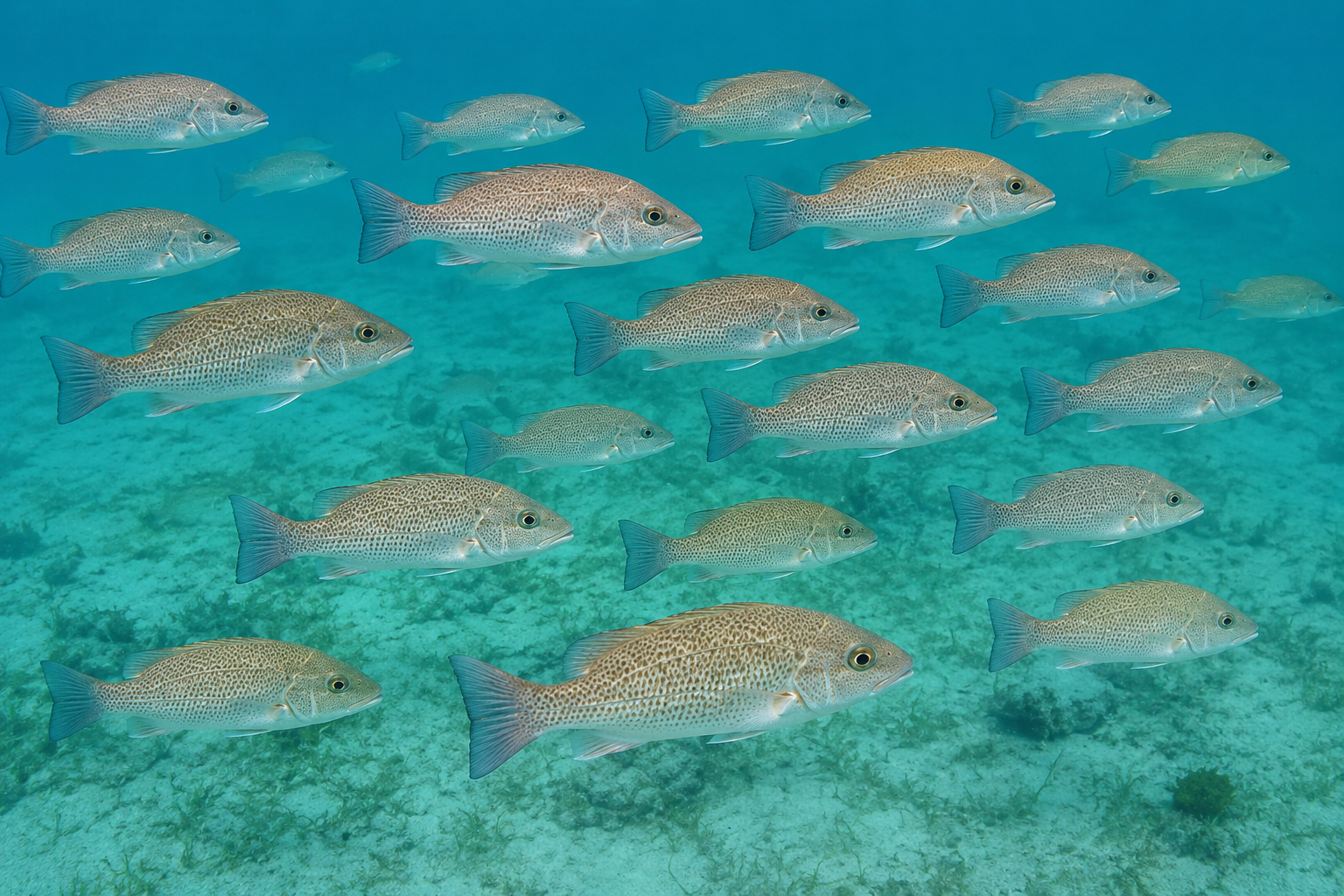

Mangrove snapper are one of the most reliable and exciting fish to target in South Florida. They are one of my absolute favorite fish to catch, and I think many anglers would agree with me. They live around bridges, docks, mangroves, seawalls, reefs, and offshore wrecks, and they fight much harder than most fish their size. Some of the best fights that I have had were with large mangroves near structures. You may wonder what the best baits are for mangrove snapper in South Florida. I am here to help you with that.
The challenge is not usually finding them. The challenge is convincing larger mangrove snapper to bite consistently. They are a finicky fish and hopefully I can help to make sure you catch many of them before they catch on to you fishing for them.
After years of fishing South Florida waters, one thing becomes clear, bait selection matters more for mangrove snapper than many anglers realize.
Some baits catch numbers. Others specifically attract larger fish. Certain baits work better under heavy fishing pressure, while others excel during strong current or dirty water conditions. But there is another factor many anglers overlook completely… presentation and visibility.
Mangrove snapper see extremely well, especially in the clear water common throughout South Florida. In many situations, the difference between getting ignored and getting bites is not the bait itself. It is the line size, hook visibility, weight placement, or how naturally the bait drifts in the current.
This article breaks down the best baits for mangrove snapper in South Florida while also explaining the science behind why these fish can become so difficult to fool.
Why Mangrove Snapper Can Be Difficult
Mangrove snapper are extremely cautious fish. In heavily pressured areas like Miami, the Florida Keys, and Broward County bridges, they often inspect a bait carefully before committing. You can easily see this in clear water as your bait might be ignored by hundreds of fish because they see your hook. These fish are not stupid. I honestly think they are the smartest fish out there.
Larger mangrove snapper become even more selective because they survive by recognizing danger:
- thick leaders-anything greater than 20 pound test in some cases
- unnatural bait movement-spinning bait
- excessive weight-large sinkers
- oversized hooks
- repeated fishing pressure-if they see a ton of people every day, they will know what you are trying to do
Many anglers blame tides or weather when the real problem is simply bait presentation.
This becomes even more important in South Florida because the water is often exceptionally clear.
The Science of Mangrove Snapper Vision

Mangrove snapper rely heavily on vision to survive around:
- bridge pilings
- mangrove roots
- reefs
- seawalls
- docks
Fish vision differs from human vision, but many predatory fish can still detect:
- unnatural movement
- reflective flashes
- contrast changes
- line shadows
- oversized terminal tackle
In tropical South Florida water, light penetrates extremely well. On many days, fish can inspect a bait from several feet away before deciding whether to strike.
This is one reason fluorocarbon leaders became so popular for snapper fishing. Fluorocarbon bends light more similarly to water than standard monofilament, making it harder for fish to see underwater.
Experienced anglers notice this constantly:
- fish approach the bait
- pause near it
- refuse at the last second
Often the bait is fine. The presentation is not. You will definitely notice something up when the fish around it just don’t eat the bait.
Why Lighter Line Often Catches More Snapper
One of the biggest mistakes anglers make when targeting mangrove snapper is using line that is too heavy. I have hear that anything below 50lbs is fine but sometimes people say that the only way to get the fish to bite is decreasing to like 20lbs or lower.
In difficult conditions, downsizing leader size can dramatically improve bite rates. Sometimes you may just have to put a hook directly on the line and not have a leader at all. The hookups become more but you tend to lose a ton of fish because there’s no leader.
This becomes especially important:
- during daylight
- in calm water
- around pressured bridges
- near heavily fished docks
- during weak current conditions
Many South Florida anglers find:
- 20 to 25 lb leader works well in dirty water or offshore
- 15 lb fluorocarbon often gets more bites in clear water
- 10 to 12 lb may be necessary for highly pressured fish
Larger mangrove snapper are often the most cautious fish in the school. They have survived repeated fishing pressure and tend to inspect baits much more carefully.
The tradeoff is obvious:
- lighter line increases bites
- heavier line increases pulling power near structure
The best anglers constantly balance invisibility with abrasion resistance. It is really up to you to play with the different leader pounds and see what works best for the fish in the area.
The Best Overall Bait: Live Shrimp
Live shrimp!!!!!!!!!!!!!!

If there is one bait that consistently catches mangrove snapper across South Florida, it is live shrimp.
Why it works:
- natural scent
- constant movement
- realistic appearance
- works in clear or dirty water
- effective around bridges, docks, reefs, and mangroves
- Easy to get at any bait shop
Live shrimp are especially effective:
- at night
- around dock lights
- during moving tides
- near bridge pilings
Best Rig for Live Shrimp
Use:
- 15 to 25 lb fluorocarbon leader
- small hook (#1 to 2/0 depending on bait size)
- minimal weight-maybe a split shot or very light egg sinker above the leader
Mangrove snapper often reject heavily weighted presentations. A naturally drifting shrimp usually outfishes a bait pinned aggressively to the bottom. In clear water, you can definitely see this in action because the whole school will come up after a natural floating shrimp. they tend to look at ones pinned to the bottom then turn away. See, smart fish.
Best Bait for Bigger Mangrove Snapper: Pilchards or Small Live Pinfish
Pilchards and pinfish are one of the best baits for quality mangrove snapper, especially near:
- reef edges
- offshore wrecks
- deep bridges
- channel markers
Larger mangrove snapper aggressively attack live fish because they represent a larger, high-energy meal.
Many experienced South Florida anglers notice:
- shrimp catch more fish overall
- pilchards and pinfish often catch larger fish
When Pilchards and Pinfish Work Best
They excel:
- during summer
- in clean water
- around active bait schools
- when current is moving well
- at the tail end of a chum slick!
Free-lining live pilchards or a nice lively pinfish near structure can produce surprisingly large mangrove snapper. I have caught some massive mangroves way passed the chum slick with pinfish.
Best Dead Bait: Cut Ballyhoo, Pinfish, or Grunt
Cut ballyhoo/pinfish/grunt are amazing to use to catch large snapper in South Florida.
Advantages include:
- strong scent trail
- natural oily presentation
- durable bait that stays on the hook
- excellent performance in chum slicks
Small strips of bait drift naturally in the current and can trigger bites from pressured fish that ignore shrimp.
This bait becomes especially effective:
- on reefs
- during nighttime bridge fishing
- when snapper are feeding aggressively in the chum line
If a live pinfish doesn’t cause a strike, I’ll cut it up and throw it way out behind the small fish. When you do that, hold on because you’ll get a massive strike for sure.
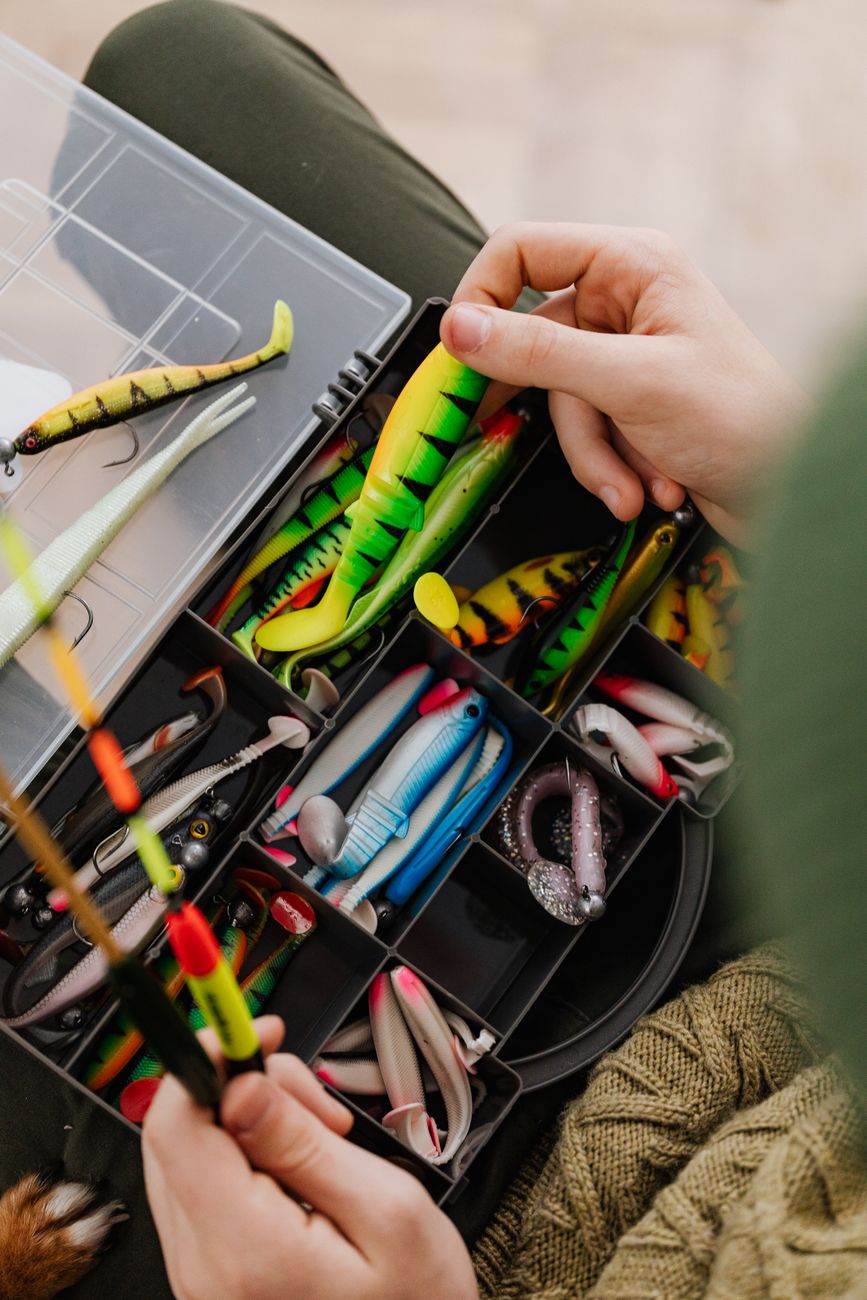
Best Artificial Option: Small Soft Plastics
Most anglers use live bait for mangrove snapper, but artificials can work extremely well under the right conditions.
Best choices:
- small paddle tails
- shrimp imitations
- fluke-style plastics
- squid lures
Natural colors usually perform best:
- white
- silver
- green pumpkin
- brown shrimp patterns
Artificials work particularly well:
- around dock lights
- during feeding frenzies
- when fish are suspended in the water column
A slow twitch-and-pause retrieve often outperforms aggressive jigging.
The Most Overlooked Tool: Chum

One of the biggest mistakes anglers make is focusing only on hook bait while ignoring chum.
Mangrove snapper respond extremely well to:
- block chum
- cut sardines
- glass minnows
- crushed shrimp pieces
A good chum slick can completely change snapper behavior.
Instead of hiding tightly in structure, snapper often rise into the water column and become far less cautious.
This allows:
- lighter tackle
- smaller hooks
- more natural presentations
Often the difference between slow fishing and nonstop action is simply creating feeding competition.
Why Night Fishing Is So Effective
One reason nighttime bridge fishing is so productive in South Florida is reduced visibility.
At night:
- fish rely less on visual inspection
- heavier leaders become less noticeable
- snapper feed more aggressively
- larger fish move farther from structure
This is why many anglers suddenly catch quality snapper after sunset using the exact same bait that was ignored during daylight. This has happened to me countless times.
Dock lights and bridge lights also create feeding zones where snapper silhouette baitfish against the light, often making them much more aggressive.
How Fishing Pressure Changes Bait Effectiveness
In heavily pressured areas of South Florida, mangrove snapper adapt quickly.
Fish around:
- public piers
- famous bridges
- popular docks
- heavily fished canals
often become conditioned to common presentations.
In these situations:
- fresh bait matters more
- lighter leaders become critical
- natural drift becomes essential
- smaller hooks often help
Sometimes switching from large shrimp to tiny bait chunks immediately increases bites because the fish have already seen hundreds of identical shrimp rigs recently.
Best Bait by Situation
| Situation | Best Bait |
|---|---|
| Bridge fishing at night | Live shrimp |
| Offshore reefs | Pilchards or pinfish |
| Heavy current | Ballyhoo, pinfish, grunt cut bait |
| Pressured urban fish | Small natural bait chunks |
| Dock lights | Live shrimp or soft plastics |
| Bigger mangrove snapper | Live bait or large pieces of cut bait |
| Fast action for numbers | Shrimp with chum |
Seasonal Patterns in South Florida
Mangrove snapper feeding behavior changes throughout the year.
Summer
Usually the best overall season.
- pilchards become excellent
- strong bait schools increase aggression
- night fishing improves significantly
Winter
Fish often become more cautious.
- shrimp usually outperform larger baits
- slower presentations work better
- lighter line becomes more important
Fall
One of the most underrated periods.
Mangrove snapper often feed aggressively before temperatures cool significantly.
Final Thoughts
The best mangrove snapper bait in South Florida is not always the same every day. Water clarity, fishing pressure, current strength, and bait availability all influence what fish prefer.
However, if you want a simple starting point:
- live shrimp are the most reliable overall bait
- pilchards often catch larger fish
- chum dramatically improves success
- lighter fluorocarbon leaders frequently increase bites
- natural presentation matters more than expensive gear
The anglers who consistently catch quality mangrove snapper are usually the ones paying attention to subtle patterns rather than simply dropping bait and waiting.
In clear South Florida water, mangrove snapper often have plenty of time to inspect a bait before striking.
Sometimes the difference between getting ignored and getting bites is not changing the bait at all.
It is simply making the presentation look natural enough to fool a fish that sees far more than most anglers realize.


Leave a Reply