
If you’ve ever wondered why one fishing trip produces nonstop action while the next feels completely lifeless, the answer often has less to do with your skill than with the time of year. You need to understand the best and worst months for catching fish in South Florida to be productive.
South Florida offers some of the best year-round fishing in the United States, but every month brings different opportunities and, of course, challenges.
Unlike many parts of the country where fishing essentially shuts down during winter, South Florida experiences seasonal changes that are much more subtle. Sometimes we don’t experience any changes. It just goes from HOT to a little less hot. Water temperatures fluctuate less dramatically, but they still have a major impact on fish behavior, migration, spawning, and feeding activity.
Knowing these seasonal patterns can dramatically improve your success. Instead of fishing wherever and whenever is convenient, you can plan trips around periods when your target species are naturally more active.
This not only increases your chances of catching fish but also helps you understand why certain locations seem to produce at specific times of the year.
In this guide, we’ll look at every month of the year, discuss which months generally provide the best fishing, explain why summer can be difficult despite warm weather, and highlight seasonal opportunities for many of South Florida’s most popular game fish.
I hope you gain as much from this guide as I have from researching the topic and spending more than 20 years living and fishing in Florida. So let’s talk extensively about the best and worst months to catch fish in South Florida.
Why Fishing Changes Throughout the Year

Many anglers assume fish behave the same every month because South Florida doesn’t experience harsh winters. In reality, even relatively small seasonal changes have a significant effect on fish, especially in winter months.
The biggest driver is water temperature. Fish are cold-blooded animals, meaning their body temperature changes with their environment. As water temperatures rise or fall, so does their metabolism. Even slight changes in water temperature have a profound effect on their behavior.
During moderate temperatures, fish actively feed to support growth and reproduction. When water becomes excessively hot, many species reduce activity to conserve energy. Hot water also contains less dissolved oxygen, forcing fish to seek cooler water or areas with stronger current.
Seasonal weather patterns also influence fishing.
Winter brings frequent cold fronts that temporarily cool shallow water and stimulate feeding before and after the fronts pass. The cold fronts also contribute to a large flow of colder freshwater into the the ocean and estuaries, causing drops in temperature and salinity. Spring generally offers stable weather and warming water, making it one of the most productive seasons of the year. Few showers during this time, but man can it get windy. Summer introduces extreme heat, afternoon thunderstorms, and lower dissolved oxygen levels, while fall gradually brings cooling temperatures that often trigger another period of excellent fishing. Fall is definitely the best time for fishing, in my opinion.
Understanding these seasonal cycles helps explain why experienced anglers often plan their biggest trips around particular months rather than simply fishing every weekend.
The Best Months for Fishing in South Florida
Although fish can be caught throughout the year, several months consistently stand out.
October November
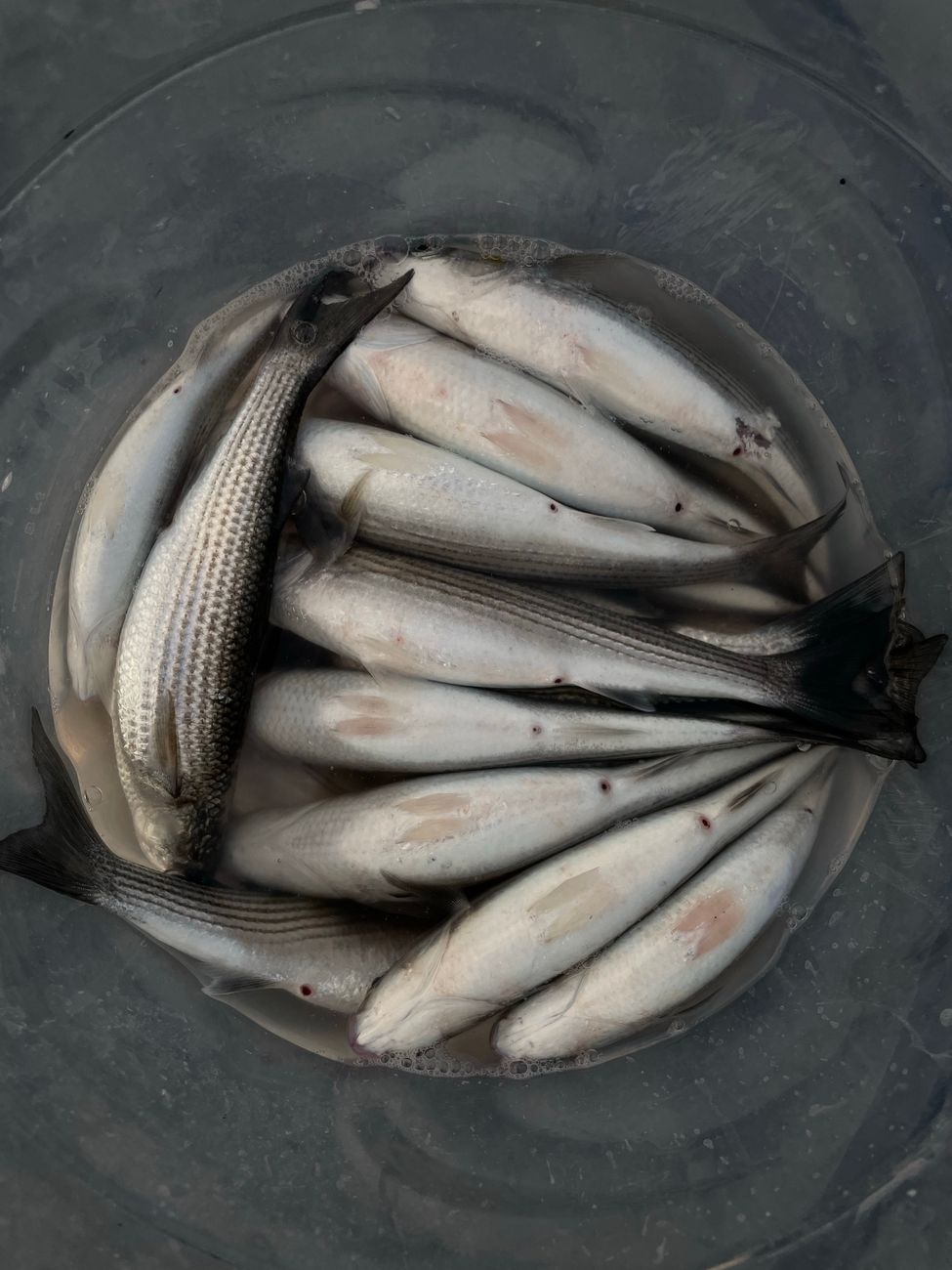
October and November mark the beginning of South Florida’s most consistent fishing season. Water temperatures cool from their summer highs, dissolved oxygen increases, and fish become noticeably more active. Also, large schools of baitfish tend to line the shores during this time. Usually at the end of October to November, mullet are everywhere, and so are predators.
Many inshore species begin feeding aggressively as conditions improve. Offshore, sailfish action starts increasing with the arrival of stronger northeast winds.
If you could only choose one month to begin your fishing season, November would be an excellent choice.
December
December combines comfortable weather with excellent fishing.
Cold fronts become more common, often triggering excellent bites before they move through. Mangrove snapper, sheepshead, pompano, and many reef species become increasingly active.
Offshore anglers also begin seeing some of the year’s best sailfishing. Often times, you will see many people basically fishing a mile offshore for sailfish during this time.
Ok/Somewhat Strong Months

January
January is one of the coolest months in South Florida, but don’t let that discourage you.
Many species actually prefer these cooler water temperatures. Snook may temporarily move into deeper canals and residential waterways after strong cold fronts, while pompano fishing often reaches its peak along beaches and inlets. However, if it is too cold, this might completely shut off all fishing.
Sheepshead fishing is also excellent around bridges, docks, and seawalls. **cough cough**, check out Ponce Inlet during this time. I know, I know, it’s not south Florida, but it is Florida.
February
February continues the strong winter fishing pattern.
Water temperatures remain comfortable for many species, and fish often feed aggressively between passing cold fronts.
Offshore fishing continues producing sailfish, kingfish, and tuna, while freshwater anglers enjoy excellent peacock bass fishing as spawning activity increases.
Starting to get good/Good Months
March
March is often considered one of the most enjoyable fishing months of the entire year.
Weather becomes increasingly stable, water temperatures slowly rise, and nearly every type of fishing begins improving.
Tarpon begin appearing in greater numbers, snook become more active, bass fishing remains productive, and offshore action stays consistent.
However, be aware that march can get a bit breezy with straggler cold fronts.
April
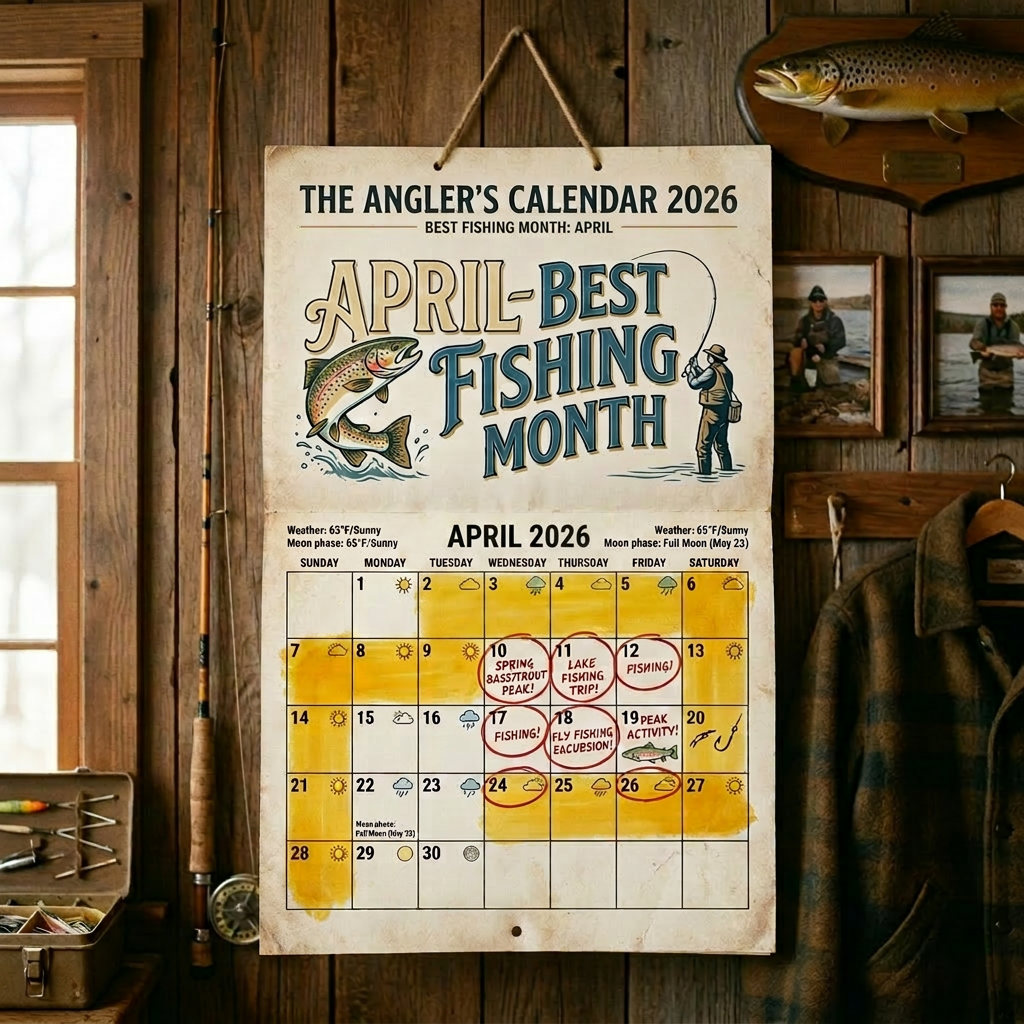
April may be the single best overall fishing month in South Florida.
Water temperatures reach an ideal range for many species, baitfish become abundant, and fish feed aggressively before summer heat arrives.
Whether you’re targeting snook under mangroves, tarpon along beaches, peacock bass in canals, or mahi offshore, April provides outstanding opportunities.
The Most Challenging Months

Every angler eventually experiences difficult summer fishing.
While fish certainly don’t disappear, conditions become much less predictable.
July
By July, water temperatures often reach their annual peak in shallow bays and canals. This can mean that temps in canals can get upwards of 90 degrees F. HOLY *$#&
Warm water contains less dissolved oxygen, causing many fish to reduce daytime feeding activity. The best fishing typically occurs during the first hour after sunrise and again near sunset.
Afternoon fishing can become frustratingly slow unless you’re targeting deeper water or fishing areas with strong tidal current.
August
August is generally considered the most difficult fishing month of the year.
Water temperatures remain extremely high, afternoon thunderstorms become almost routine, and fish frequently feed for only brief periods.
Large predators often seek deeper water where temperatures are slightly cooler and oxygen levels remain higher.
Success during August often depends on timing rather than location.
September
September continues many of August’s challenges.
Although the first hints of fall occasionally appear late in the month, water temperatures remain elevated, tropical systems become more common, and weather patterns remain unpredictable.
Fishing usually improves toward the end of September as the first cooler mornings begin arriving.
Month-by-Month Fishing Calendar
January
January surprises many visitors because some of South Florida’s best fishing actually occurs during the coolest weather.
Inshore anglers can target sheepshead around bridges, docks, and seawalls. Pompano fishing is excellent along beaches and inlets, while mangrove snapper remain active on reefs and structure.
Snook may slow down immediately following strong cold fronts, but they often feed aggressively during warming periods between fronts.
Offshore, sailfish season is in full swing, especially when northeast winds push bait close to shore.
Overall fishing rating: 7/10
February
February continues the excellent winter pattern.
Peacock bass begin spawning, making them highly aggressive toward artificial lures and live bait. Largemouth bass also become increasingly active throughout many South Florida lakes.
Saltwater anglers continue enjoying productive sailfish, kingfish, and snapper fishing.
Although occasional cold fronts temporarily slow certain species, fishing generally rebounds quickly.
Overall fishing rating: 6/10
Sailfish fishing rating: 9/10

March
March offers outstanding fishing across nearly every environment.
Snook become more active as water temperatures climb into their preferred range.
Tarpon begin appearing in greater numbers along beaches, passes, and deeper channels.
Freshwater fishing remains excellent, while offshore anglers continue finding sailfish and increasingly encounter mahi as spring progresses.
March represents one of the year’s most balanced fishing months. Just watch the radar for those pesky last minute cold fronts.
Overall fishing rating: 8/10
April
April is difficult to beat.
Water temperatures remain comfortable without becoming excessively warm.
Baitfish schools become abundant, predator activity increases, and nearly every popular South Florida species begins feeding aggressively.
Whether you fish from shore, kayak, flats boat, or offshore vessel, April consistently produces excellent opportunities.
Many experienced anglers consider this the best overall month of the year.
It can still be pretty windy, but some of my best fishing, especially in the Keys, is during April.
Overall fishing rating: 9/10
May
May continues the excellent spring fishing before the arrival of extreme summer heat.
Tarpon season reaches its peak in many areas, snook remain active, and offshore anglers often enjoy excellent mahi fishing.
The only downside is increasing afternoon heat, making early morning trips more productive than all-day outings. Fish early then go in for lunch.
Overall fishing rating: 9/10
June
June marks the transition into summer.
Fishing remains productive during the early morning, but midday action often slows considerably as water temperatures continue rising.
Snook, tarpon, and snapper are still available, but success increasingly depends on fishing moving water and planning trips around sunrise or sunset.
Although June can still produce outstanding catches, anglers begin noticing shorter feeding windows compared to spring.
Overall fishing rating: 8/10
July
July is when many anglers begin noticing a significant change in fishing conditions. Water temperatures often reach the mid to upper 80s, especially in shallow bays, canals, and mangrove shorelines. Because warm water holds less dissolved oxygen, fish become less active during the middle of the day.
The key to success in July is timing. The first few hours after sunrise are often excellent, and the hour before sunset can also produce quality fishing. During the hottest part of the day, many species move into deeper water, seek shade beneath docks and bridges, or position themselves in areas with strong tidal current where oxygen levels are higher.
Snook remain active, particularly around passes and inlets where moving water provides relief from the heat. Tarpon continue feeding around bridges, beaches, and deeper channels, while mangrove snapper fishing remains productive around reefs and structure.
Overall fishing rating: 7/10
August
August is generally considered the toughest fishing month of the year in South Florida.
Water temperatures remain extremely high, afternoon thunderstorms are common, and fish often feed for only short periods during the coolest parts of the day. Midday fishing can become frustrating, especially in shallow water where temperatures climb rapidly.
This doesn’t mean fishing is poor everywhere. Offshore waters remain productive for mahi, tuna, and other pelagic species, while inshore anglers can still find success by targeting deeper structure, bridges, and inlets with strong current.
If you’re fishing in August, plan your trip around sunrise. Many experienced anglers are loading their boats before lunch because they know the bite often slows dramatically by late morning.
Overall fishing rating: 6/10
September
September begins to show signs of improvement, although it can still feel like summer for much of the month. Tropical systems remain a possibility, afternoon storms continue, and water temperatures stay elevated.
Late September often marks the beginning of the seasonal transition. Slightly cooler nights gradually reduce water temperatures, allowing fish to feed for longer periods.
Fishing improves noticeably toward the end of the month, especially if an early cold front reaches South Florida.
Overall fishing rating: 6.5/10
October
October is one of the most underrated fishing months.
Water temperatures begin falling, baitfish schools become more concentrated, and many predators respond by feeding aggressively.
Snook, redfish, jack crevalle, and mangrove snapper become increasingly active. Offshore, kingfish begin migrating through the region, and sailfish activity slowly increases.
October often offers excellent fishing with smaller crowds than the winter months.
Honestly, October is one of my favorite months to fish from the beach. I usually target schools of redfish, but jacks, tarpon, snook, are all available too.
Overall fishing rating: 8.5/10
November
November marks the return of consistently excellent fishing.
Cooler weather improves dissolved oxygen levels, fish become more active throughout the day, and many anglers consider this the start of South Florida’s prime fishing season.
Inshore species feed aggressively, offshore sailfishing improves significantly, and comfortable weather makes long days on the water enjoyable.
Overall fishing rating: 9.5/10
December
December closes the year with outstanding fishing opportunities.
Cold fronts become more frequent, often stimulating feeding activity before they pass. Pompano, sheepshead, mangrove snapper, sailfish, and kingfish all provide excellent opportunities.
For many anglers, December offers the perfect combination of pleasant weather and consistent action.
Overall fishing rating: 9/10
Best Months by Species
While some months are generally better than others, each species has its own seasonal peak.
Snook
Best months: March through June and October through November
Snook become increasingly active as water temperatures warm during spring. Summer remains productive around inlets and passes where tidal current provides cooler, oxygen-rich water. Fall brings another period of aggressive feeding before winter cold fronts arrive.
Tarpon
Best months: April through July
Late spring and early summer represent the famous South Florida tarpon season. Large migratory fish move along beaches, through inlets, and into bays following schools of baitfish.
Honestly, hit up any bridge in the Florida Keys with a lively blue crab, and hold on.
Mangrove Snapper
Best months: May through September
Mangrove snapper remain available throughout the year, but warmer water often produces excellent action around bridges, reefs, and residential canals, particularly at dawn, dusk, and night. During the summer, they tend to feed in very large schools and you’l definitely catch some big ones.
Peacock Bass
Best months: January through April
Unlike many freshwater species, peacock bass actually prefer the cooler months in South Florida. Their spawning season makes them especially aggressive toward artificial lures and live bait.
Largemouth Bass
Best months: December through April
Winter and early spring coincide with spawning activity, making largemouth bass easier to locate and often more willing to strike.
Mahi-Mahi
Best months: April through July
Spring and early summer typically provide the best offshore mahi fishing as weed lines develop and baitfish become abundant.
Search for flying fish and dark blue water. Also, find any debris and look for schools of Mahi around it. If you are lucky enough to find a floating tree then man are you in luck.
Sailfish
Best months: November through February
Strong northeast winds push bait closer to shore during winter, creating ideal conditions for one of South Florida’s premier offshore game fish.
How Weather Affects Fishing

Month alone doesn’t determine fishing success. Daily weather conditions can dramatically influence your trip.
Cold fronts often trigger excellent feeding before they arrive, followed by slower fishing immediately afterward until water temperatures stabilize.
Cloud cover can extend feeding periods during summer by reducing surface temperatures.
Wind isn’t always a bad thing. Moderate wind creates current, stirs baitfish, and can improve fishing around points, bridges, and inlets.
Rain also isn’t necessarily negative. Light rain frequently has little impact, while heavy storms can temporarily muddy water and reduce visibility in shallow areas.
The most successful anglers learn to combine seasonal timing with favorable daily weather patterns.
Don’t Ignore the Tides
In South Florida, tidal movement often matters more than the exact hour on the clock.
Moving water brings oxygen, baitfish, shrimp, and crabs, creating feeding opportunities for predators.
Many experienced anglers would rather fish a strong incoming or outgoing tide during an average month than a slack tide during the year’s best month. Slack tide doesn’t really help spread the bait sent. It’s best to have moving water, unless you are fishing for Cobia. For some reason, they love slack tide.
When possible, plan your trips so your target area has moving water during sunrise or sunset.
Frequently Asked Questions
Is there ever a bad time to fish in South Florida?
Not really. Fish can be caught every month of the year. However, July through September generally require more planning because of high water temperatures and shorter feeding windows.
What is the single best month?
If one month had to be chosen, April would likely receive the top spot, though my favorite is November. Water temperatures are ideal, weather is generally stable, and nearly every major game fish becomes active.
Is summer fishing worth it?
Absolutely. You simply need to adjust your strategy by fishing earlier, targeting deeper water, and focusing on areas with moving current.
Should beginners avoid summer?
Not necessarily, but beginners often have more success during spring, fall, or winter when fish feed more consistently throughout the day.
Does winter make fishing worse?
Quite the opposite. South Florida’s mild winters often create some of the year’s best fishing conditions. However, if there are a series of cold fronts that come trhough, fishing will likely shut down completely.
South Florida Fishing Calendar
| Month | Fishing Quality | Highlights |
|---|---|---|
| January | Excellent | Sailfish, pompano, sheepshead, peacock bass |
| February | Excellent | Peacock bass, sailfish, kingfish |
| March | Outstanding | Snook, tarpon begin arriving, bass |
| April | Outstanding | Nearly every major species is active |
| May | Excellent | Tarpon peak, mahi, snook |
| June | Very Good | Tarpon, snapper, offshore fishing |
| July | Good | Early morning snook and tarpon |
| August | Fair | Fish early or offshore |
| September | Fair | Improving late in the month |
| October | Very Good | Cooling water, active predators |
| November | Excellent | Snook, sailfish, snapper |
| December | Excellent | Winter reef fishing and sailfish |
Final Thoughts
One of the biggest misconceptions about South Florida fishing is that it’s equally productive every month. While you can catch fish year-round, understanding seasonal patterns gives you a tremendous advantage.
For anglers looking for the highest chance of success, March through May consistently offer the best combination of comfortable weather, active fish, and stable conditions. November through February are also exceptional, particularly for offshore species and winter inshore fishing.
The toughest period is generally July through September, when hot water, reduced dissolved oxygen, and daily thunderstorms shorten feeding windows. Even then, anglers who fish around sunrise, target moving water, and focus on deeper structure can still enjoy productive days.
The best fishermen aren’t necessarily the ones with the most expensive boats or newest electronics. They’re the ones who understand how fish respond to changing seasons, water temperature, tides, and weather.
If you plan your trips around those natural patterns instead of simply fishing whenever it’s convenient, you’ll spend less time wondering where the fish went, and more time catching them.


Leave a Reply